
Airport Ground Support
Engineering & Design

Engineering aircraft ground systems that perform in real operations

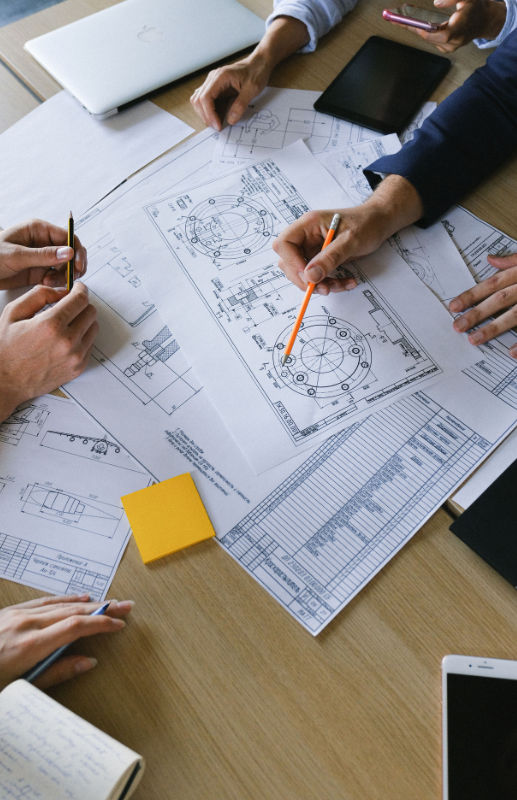
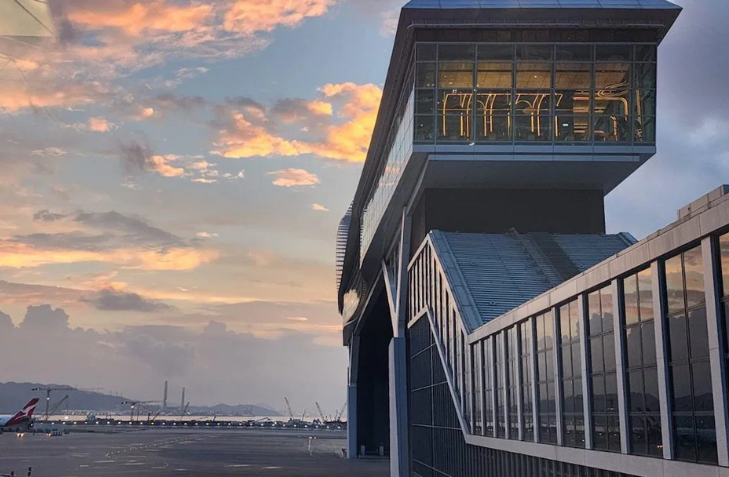
With profound knowledge of airport operations, we design and engineer systems that enable safe boarding, baggage movement, aircraft servicing, energy supply, and stand operations. Our focus is on turning operational requirements into coordinated technical designs that can be built, installed, and run reliably in airport environments.

What we design


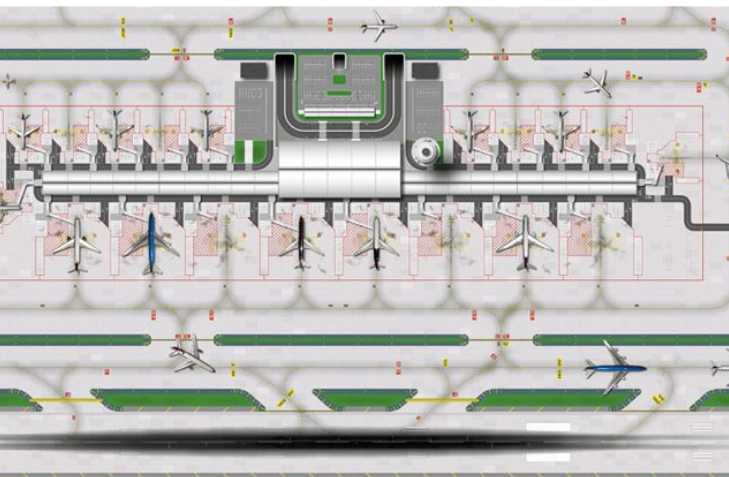
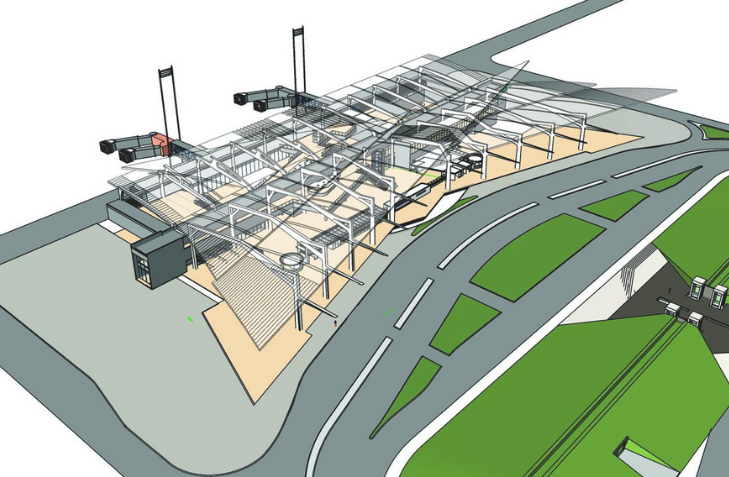
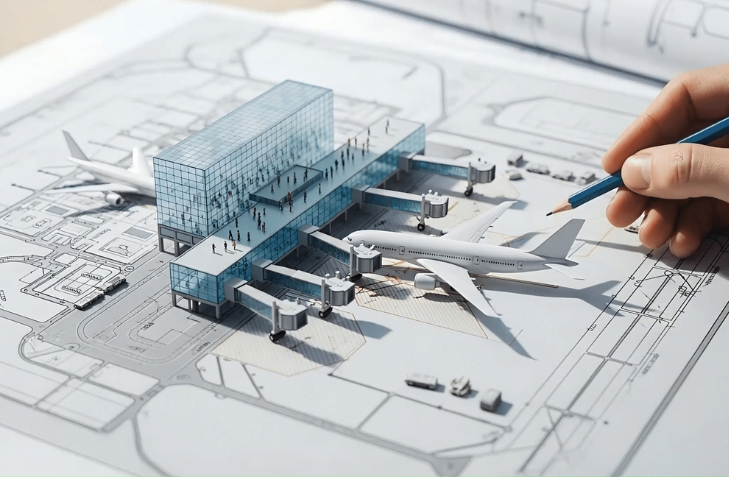
Our scope covers the main categories of aircraft ground support engineering and airport equipment design. This includes passenger boarding bridges and boarding stairs, baggage handling and support systems, ground power supply equipment, air start systems, deicing infrastructure, lavatory service systems, pre-conditioned air systems, fueling hydrant networks, and aircraft stand safety and monitoring systems.

Each system is developed with a focus on its mechanical and electrical requirements, control logic, and integration into airport infrastructure. The objective is consistent across all areas: defined, buildable systems that align with operational and regulatory requirements while remaining practical to maintain and operate over time.

Engineering method

Our work starts with system definition. That means understanding how each piece of equipment must function, how it interfaces with aircraft and infrastructure, and how it fits into wider airport operations. From there, we develop system architecture and detailed engineering across mechanical, electrical, civil interface, and control disciplines.

Design decisions are made with integration as a priority. Interfaces between systems are defined early to avoid ambiguity during installation and operation. This includes physical interfaces at the aircraft stand, utility connections, control system communication, and maintenance access requirements.
Disciplines Involved

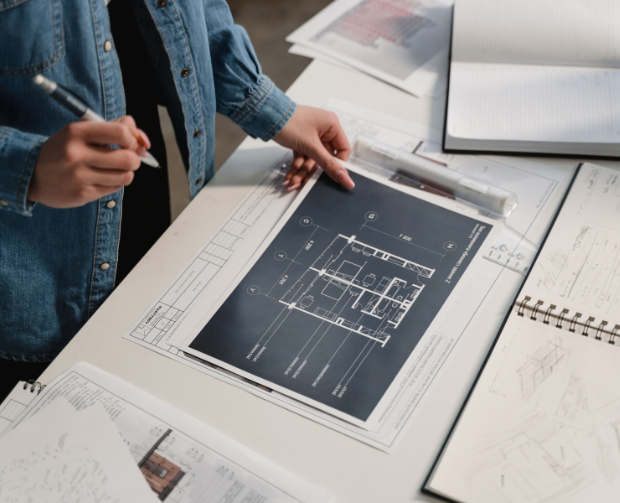
Airport ground systems require multiple engineering disciplines working together. Mechanical engineering covers structural design, moving systems, and load-bearing equipment. Electrical engineering addresses power distribution, protection systems, and equipment control. Civil and structural engineering supports foundations, interface structures, and airport integration. Control engineering defines automation, sequencing, monitoring, and safety logic. These disciplines are developed in parallel rather than in sequence, ensuring that system operate consistently across all technical domains.

.

Compliance and standards

All designs are developed in accordance with applicable aviation and infrastructure requirements, including ICAO standards, IATA guidance, relevant EN and ISO standards, and local civil aviation authority regulations depending on project location. These requirements are applied during system development rather than after design completion. This ensures that safety, performance, and operational constraints are considered as part of the engineering process, not added as a final compliance layer. Where multiple standards apply, engineering judgment is used to align requirements with practical implementation.

Delivery focus

We support projects from early concept development through to detailed engineering design and technical specification. This includes system architecture development, equipment definition, interface coordination, and design documentation suitable for procurement, manufacturing, and implementation. The emphasis throughout is on clarity of design intent, technical consistency, and manufacturability. Systems are defined so they can be manufactured, installed, and operated without interpretation gaps between design intent and real-world execution.

STEEL CLOVER LLC

Purpose

The goal is straightforward: engineered ground support systems that integrate cleanly into airport environments, meet operational requirements, and maintain reliable performance over their service life without unnecessary complexity in design or operation.
STEEL CLOVER LLC

Engineering Insights

Aircraft Interface Design

Every system is defined around its physical and operational interface with the aircraft. Door positions, clearance envelopes, connection points, and alignment tolerances are engineered to ensure safe, repeatable interaction between ground equipment and aircraft structures.

Operational Sequencing

Ground systems are designed with operational timing in mind, ensuring that equipment can be deployed, connected, and operated in the correct sequence without conflict. This reduces delays and improves coordination across multiple services at the stand.

Maintainability by Design

Access routes, component layout, and serviceability are considered during early design stages. Equipment is structured to allow inspection, repair, and replacement without unnecessary disassembly or disruption to surrounding airport operations.

System Integration Planning

Each system is engineered to integrate with airport utilities, terminal infrastructure, and adjacent ground equipment. This includes coordination of electrical, mechanical, and control interfaces to ensure consistent operation across all connected systems.

Control and Automation Logic

Control systems are developed to manage equipment behavior, sequencing, safety interlocks, and monitoring functions. The focus is on predictable operation, clear fault handling, and reliable communication between distributed airport systems.

Why

Choose Us

At Airport Ground Support Engineering & Design, we combine engineering expertise, industry knowledge, and innovative technology to deliver reliable ground support solutions for airports worldwide.

Industry-Focused Engineering

Our specialists design ground support equipment specifically for the demanding environment of modern airports, ensuring maximum performance, durability, and operational reliability.

Innovative & Practical Solutions

We utilize advanced engineering tools and proven design methodologies to create efficient, cost-effective solutions that improve airport ground operations and equipment productivity.

Safety & International Standards

Every project is developed with strict attention to aviation safety requirements, quality assurance, and compliance with recognized international engineering standards.

End-to-End Project Support

From feasibility studies and 3D design to manufacturing assistance, testing, and technical documentation, we provide complete engineering support throughout every stage of the project lifecycle.

quick contact: