
Engineering for Flexible Aircraft Access Solutions

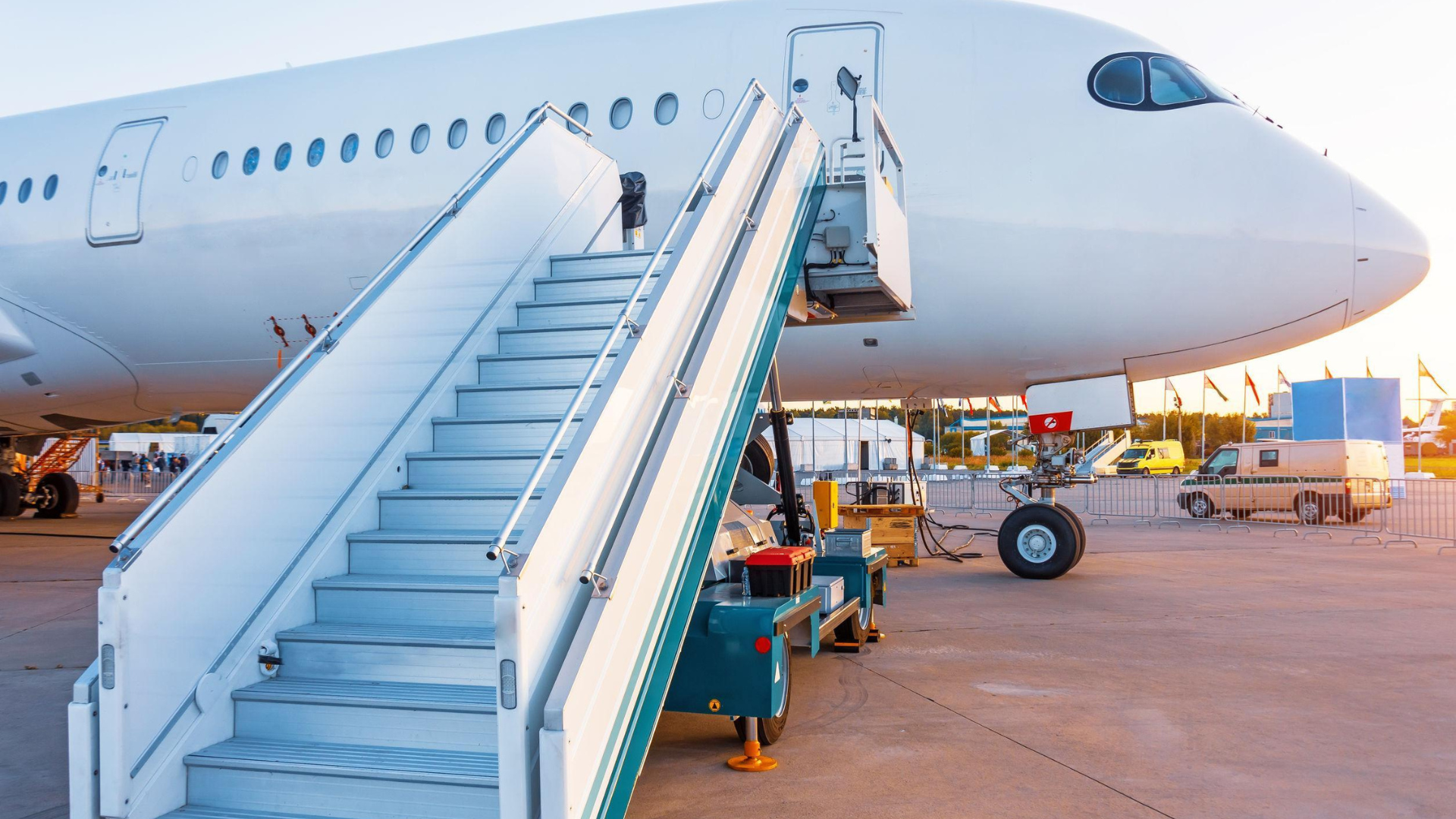
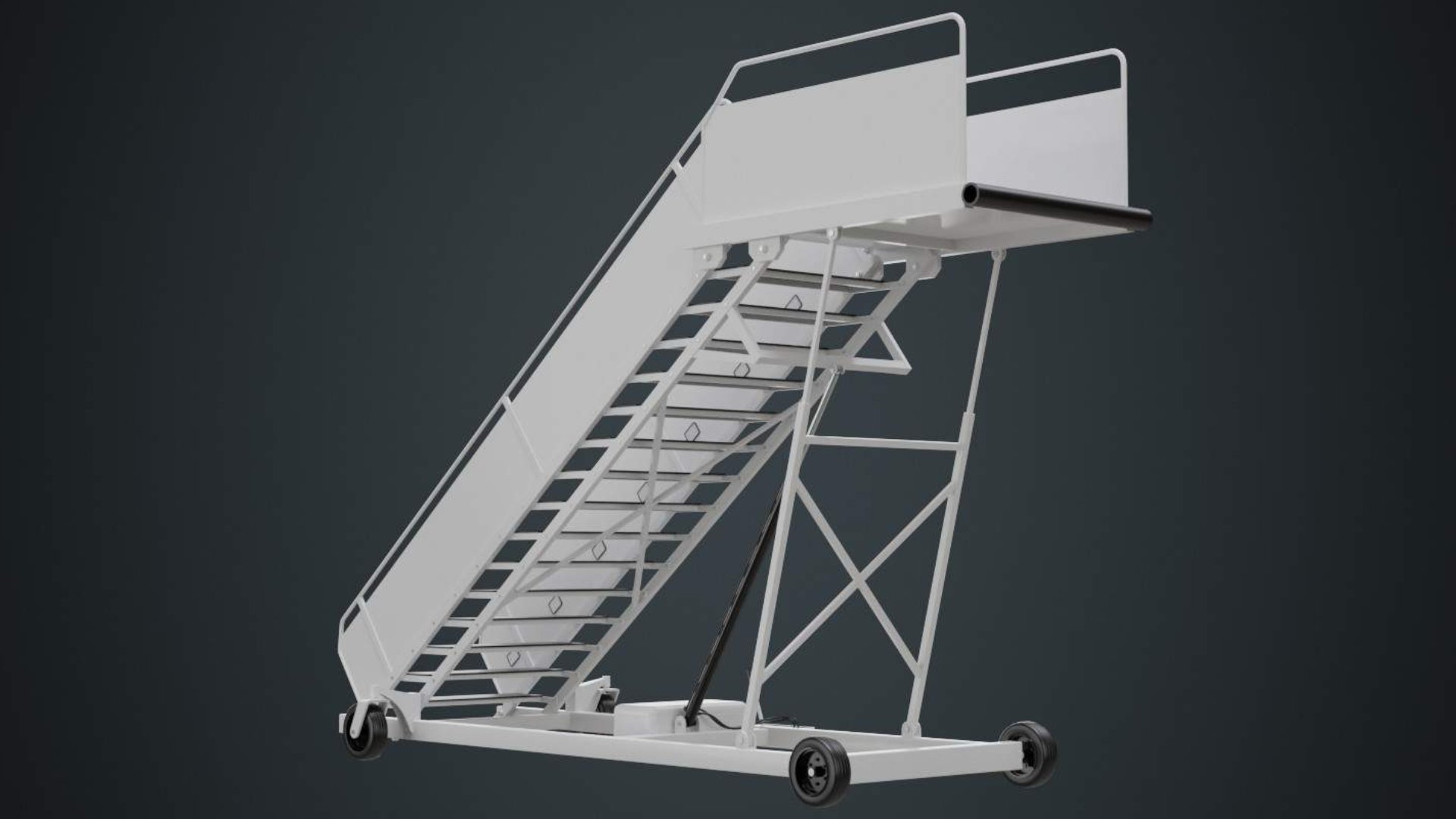
Passenger boarding stairs provide a critical alternative to jet bridges, enabling safe and efficient boarding and deplaning across a wide range of aircraft types and stand configurations. Although conceptually simple, these systems require careful engineering to ensure structural stability, operational flexibility, and safe interface with aircraft doors under varying environmental and operational conditions. Design work typically spans mechanical structures, adjustment mechanisms, stability systems, and safety features, all of which must perform reliably under frequent and demanding airport use.
Structural Design and Stability Performance


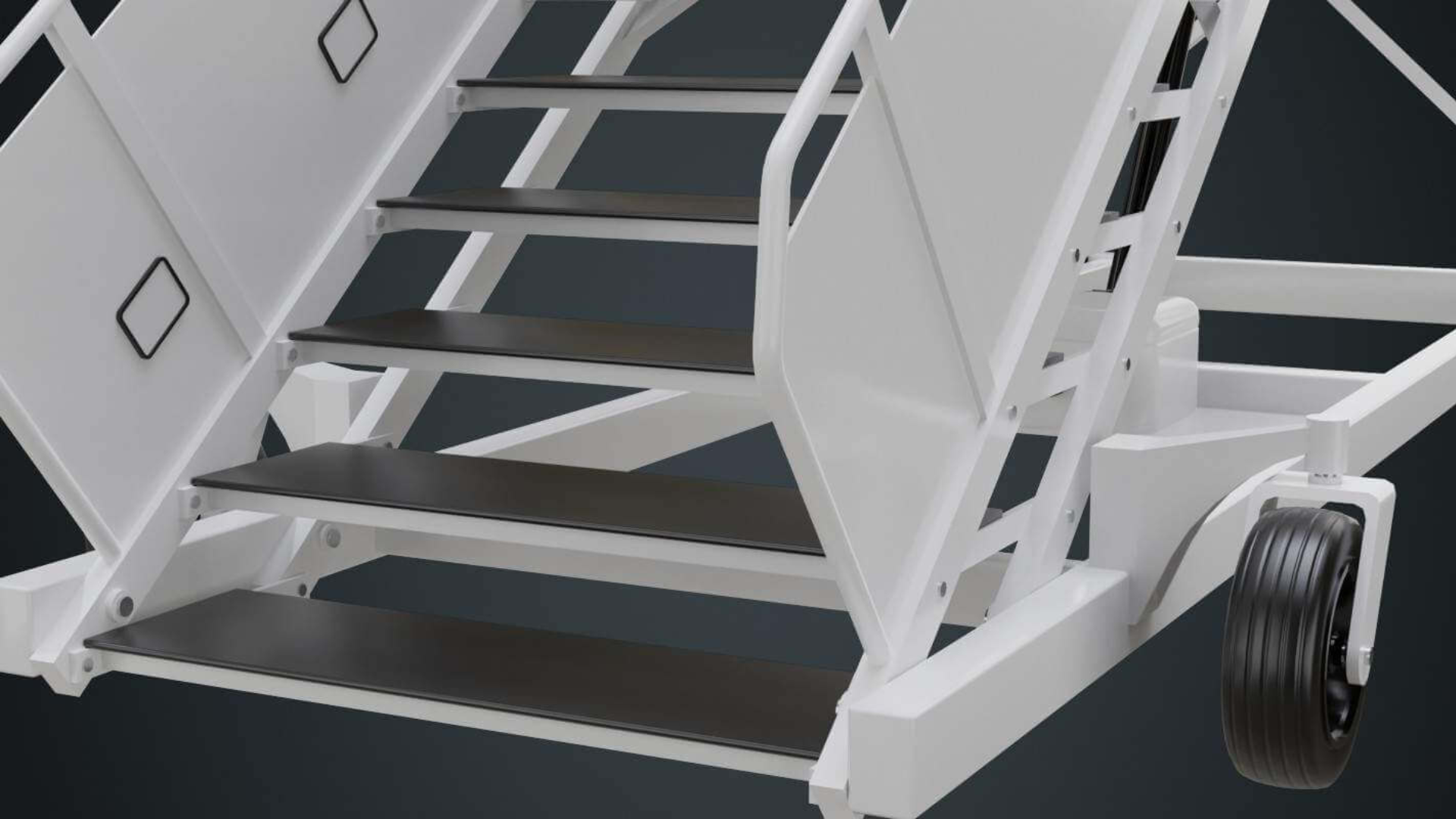
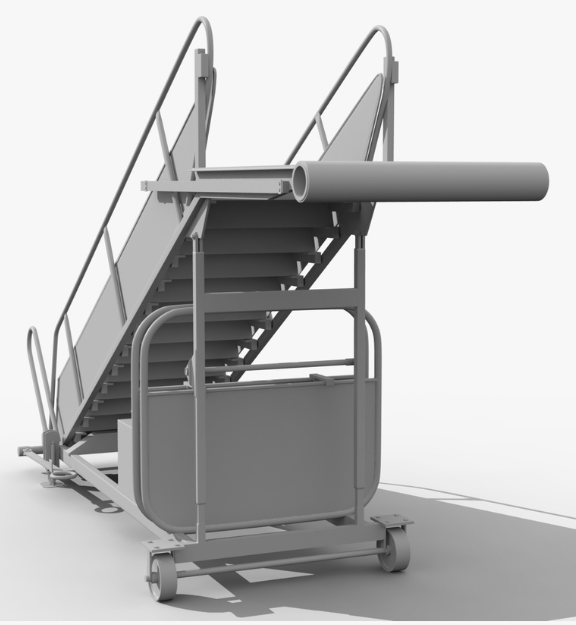
The structural engineering of boarding stairs focuses on achieving a balance between strength, weight, and durability. The frame must support repeated passenger loads while maintaining stability across uneven apron surfaces and varying aircraft door heights. Material selection, load path optimization, and fatigue resistance are key considerations throughout the design process. Engineers also evaluate dynamic effects caused by passenger movement, wind loads, and operational positioning to ensure the structure remains stable in all conditions. The result is a system capable of consistent performance while maintaining long service life with minimal structural degradation.

Height Adjustment and

Aircraft Interface Systems

A core engineering challenge lies in designing mechanisms that allow precise height adjustment to match different aircraft door configurations. This includes hydraulic or mechanical lifting systems, telescopic structures, and articulation joints that provide controlled movement and positioning accuracy. The interface between the stair platform and aircraft door must also be carefully designed to avoid damage while ensuring safe passenger transfer. Attention is given to alignment tolerances, contact materials, and operational control systems that enable smooth positioning during aircraft turnaround operations.

Safety, Accessibility,

and Operational Use

Safety engineering plays a central role in boarding stair design, particularly given their direct use by passengers in varying weather and visibility conditions. Design considerations include handrail systems, anti-slip surfaces, lighting integration, and emergency stability features. Accessibility requirements also influence platform geometry and incline limits to ensure safe and comfortable use. In addition, operational factors such as ease of deployment, towing stability, and maintenance access are incorporated into the design to support efficient airport ground handling processes.

Environmental and

Lifecycle Considerations

Boarding stairs operate in exposed airport environments where temperature variation, precipitation, and de-icing chemicals can affect long-term performance. Engineering therefore includes corrosion protection, material durability selection, and weather resistance strategies. Lifecycle considerations also extend to maintainability, component replacement, and structural inspection requirements. By addressing these factors during the design phase, systems can be developed to deliver reliable performance over extended operational lifetimes while minimizing maintenance burden and downtime.

Prev
Next
quick contact: