
Engineering Infrastructure for Safe Winter Operations

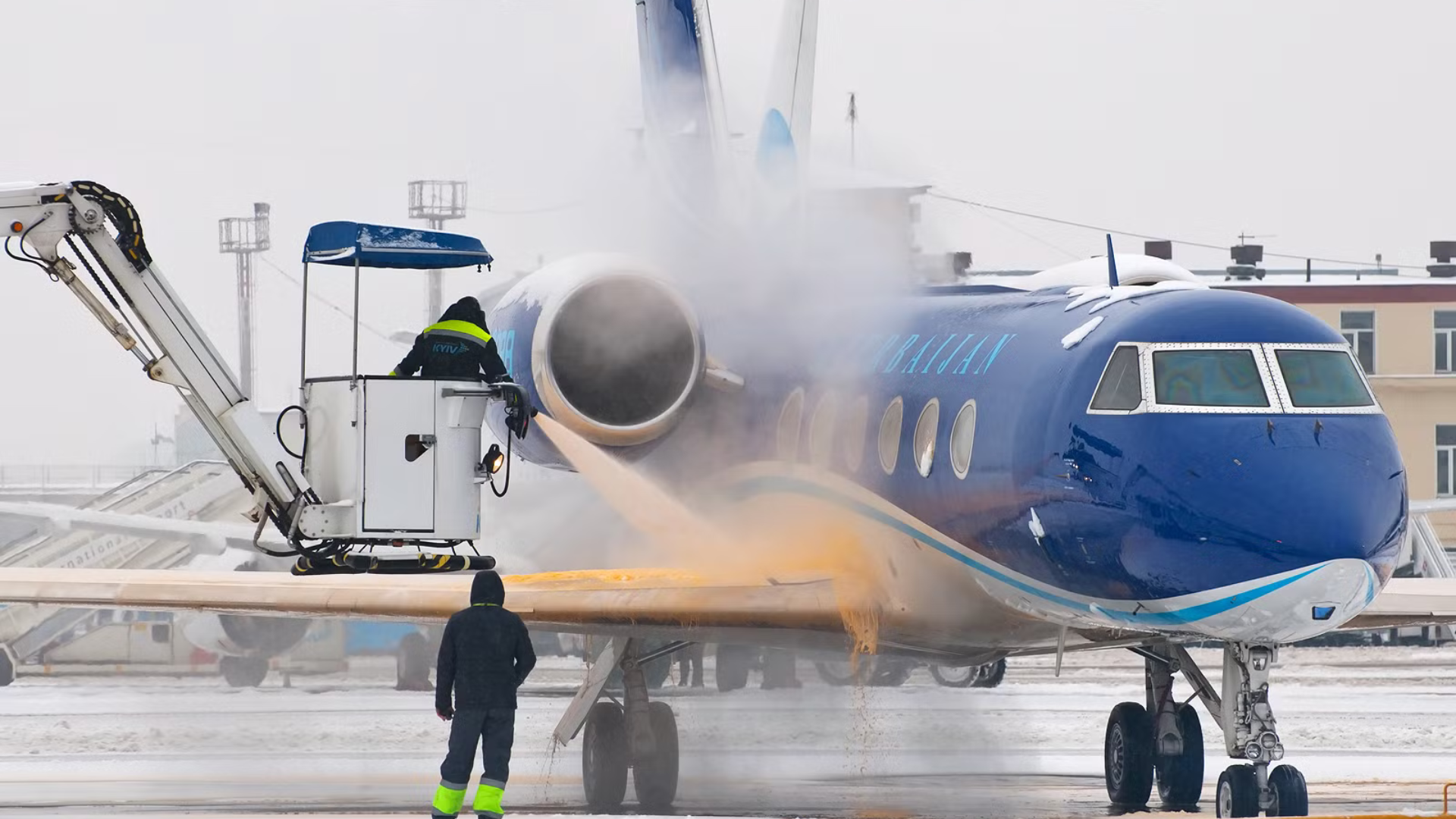
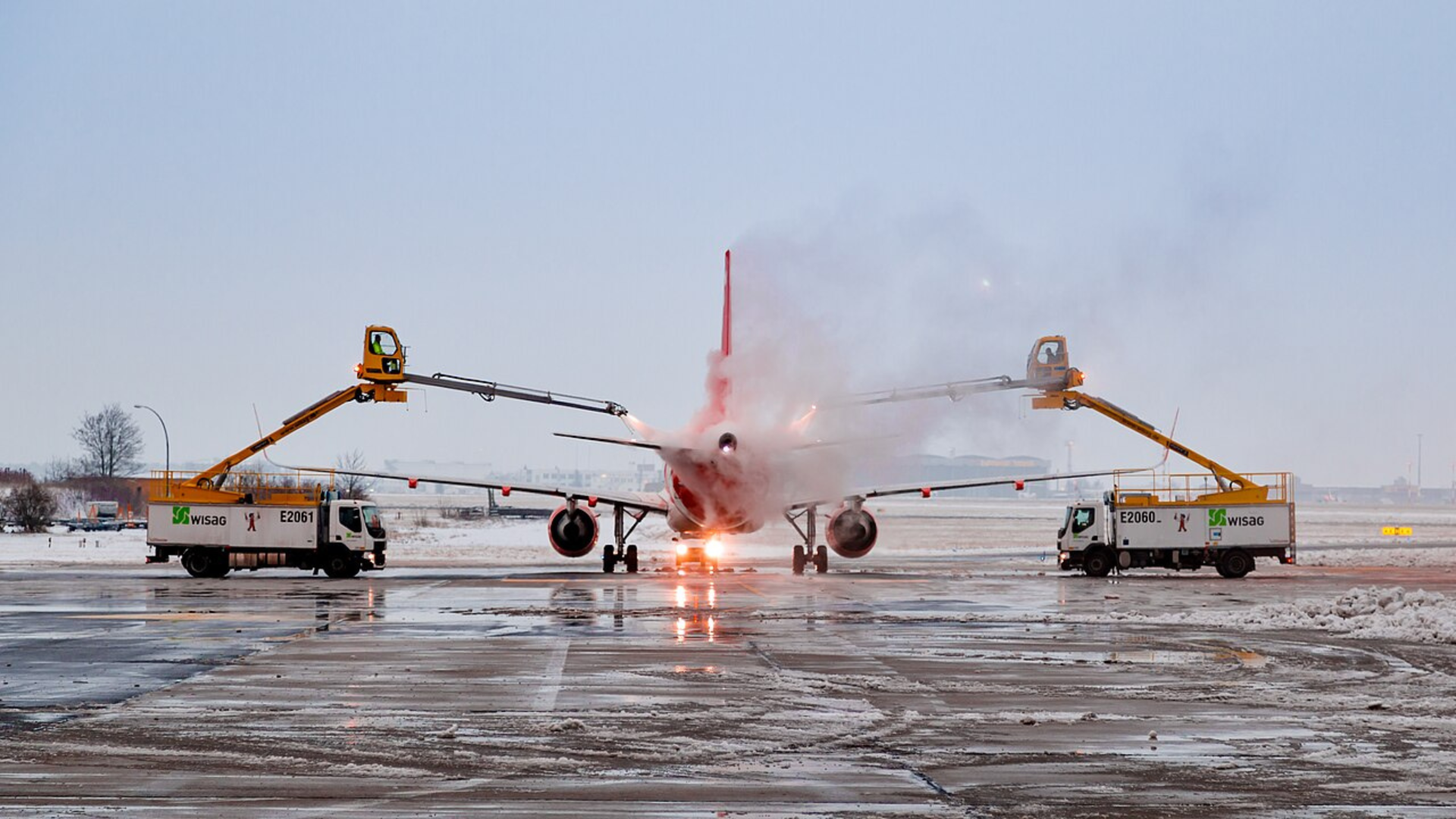
Aircraft deicing operations depend on a carefully coordinated network of storage, heating, pumping, distribution, and control systems that ensure deicing fluids are delivered safely and efficiently when weather conditions demand. Unlike the visible application process itself, the supporting infrastructure behind a deicing operation is often highly complex, requiring the integration of mechanical, electrical, process, and control engineering disciplines. Well-designed deicing systems help airports maintain operational continuity during winter conditions while minimizing fluid consumption, reducing environmental impact, and supporting safe aircraft departures.
Process Design and Fluid Management


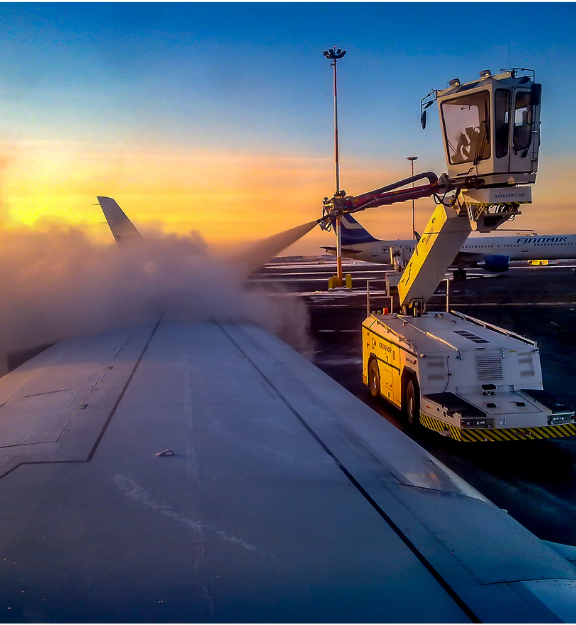
At the core of every deicing system is the movement and management of specialized fluids. Engineering begins with understanding operational demand, seasonal throughput requirements, fluid storage capacities, and distribution strategies. These factors influence the design of storage facilities, pumping systems, heating equipment, transfer networks, and associated infrastructure.

The challenge lies in creating systems capable of responding quickly to periods of intense demand while maintaining efficient operation throughout the year. Careful process modelling allows engineers to optimize fluid handling arrangements, reduce bottlenecks, and ensure that sufficient capacity is available during peak winter events. By balancing operational performance with infrastructure costs, airports can achieve dependable deicing capabilities without unnecessary overbuilding.

Automation, Monitoring, and

Environmental Considerations

Modern deicing facilities increasingly rely on automation and monitoring technologies to improve operational control and resource management. Engineers develop control architectures that coordinate fluid heating, pumping operations, storage management, and system monitoring while providing operators with real-time visibility into system performance. Environmental considerations are equally important. Deicing operations involve the handling of large volumes of glycol-based fluids, making containment, recovery, and environmental protection key aspects of the engineering process. Designs must account for regulatory requirements, drainage systems, spill prevention measures, and monitoring capabilities that support both operational effectiveness and environmental compliance.

Infrastructure Planning and

Long-Term Performance

Successful deicing systems must function as part of the broader airport environment. Integration with utilities, maintenance facilities, operational procedures, and future expansion plans all influence the final design solution. As airports grow and weather resilience becomes increasingly important, infrastructure must be capable of adapting to changing operational demands without compromising reliability. Whether supporting a dedicated deicing facility, a centralized fluid management system, or a modernization project, engineering efforts focus on creating infrastructure that remains dependable throughout years of seasonal operation. Through careful planning, system integration, and performance analysis, deicing facilities can provide the resilience airports need to maintain safe and efficient operations during winter conditions.

Prev
Next
quick contact: