
Engineering Underground Fuel Distribution Infrastructure

Gate-integrated fueling hydrant systems form the backbone of modern aircraft refueling operations, delivering fuel directly to stands through underground pipeline networks. These systems eliminate the need for fuel tanker vehicles at the gate, improving efficiency, reducing congestion, and enhancing operational safety. Engineering such infrastructure requires a multidisciplinary approach combining hydraulic design, civil engineering, mechanical systems, monitoring technologies, and strict adherence to aviation fuel safety standards. The result is a highly controlled distribution network capable of delivering fuel reliably across large and complex airport environments.
Pipeline Network Design and Hydraulic Performance


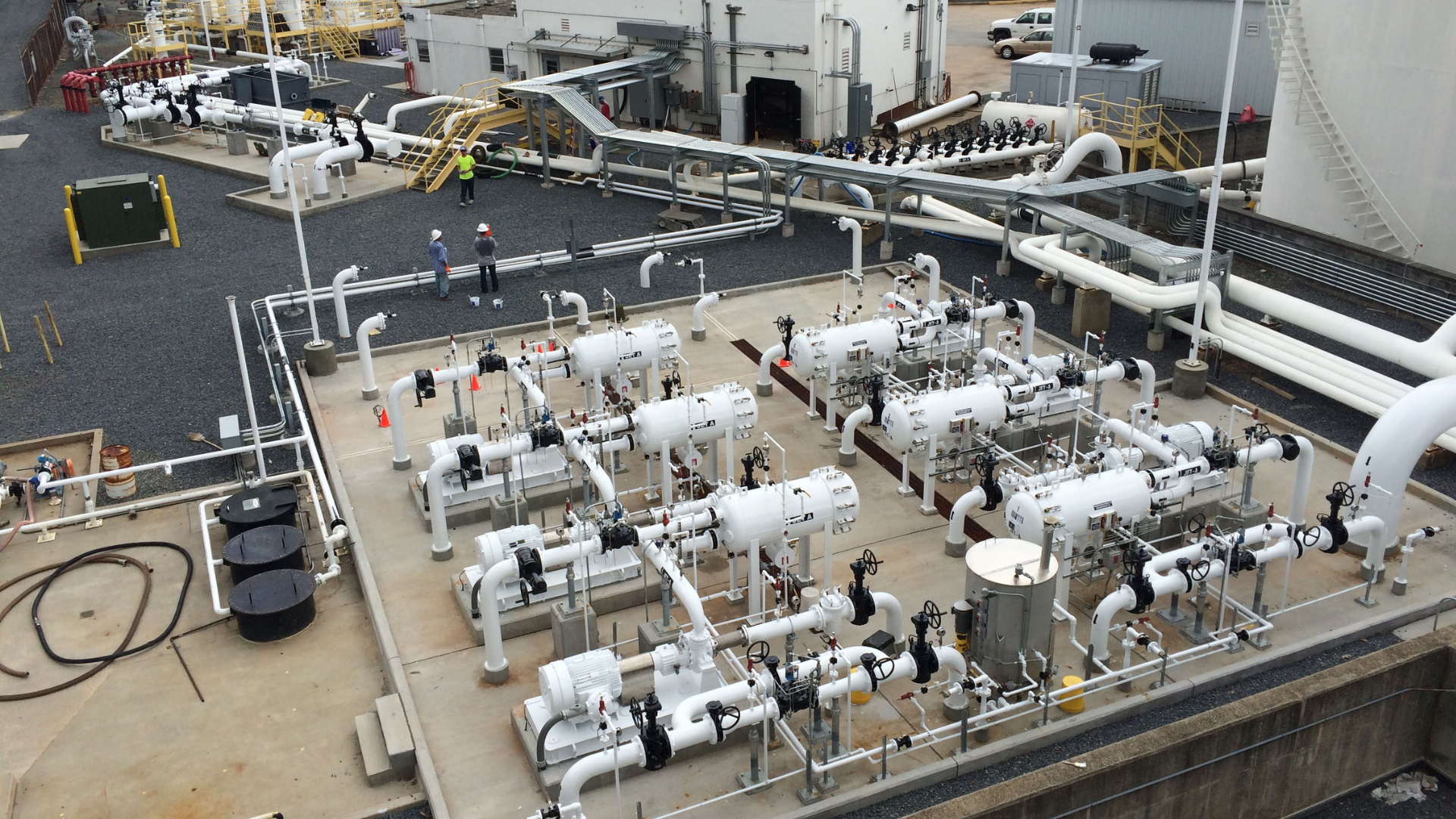
The design of hydrant systems begins with the development of underground pipeline layouts that ensure efficient fuel distribution across the airport apron. Hydraulic modelling is used to determine pipe sizing, flow rates, pressure management, and system capacity under varying demand conditions. Engineers must also account for elevation changes, distance between fueling points, and redundancy requirements to ensure consistent fuel delivery. Material selection, joint design, and corrosion protection are also critical aspects of the engineering process. Since the system operates continuously under pressure and is expected to perform reliably for decades, long-term durability and maintainability are essential design considerations.

Hydrant Pit Systems

and Gate Interfaces

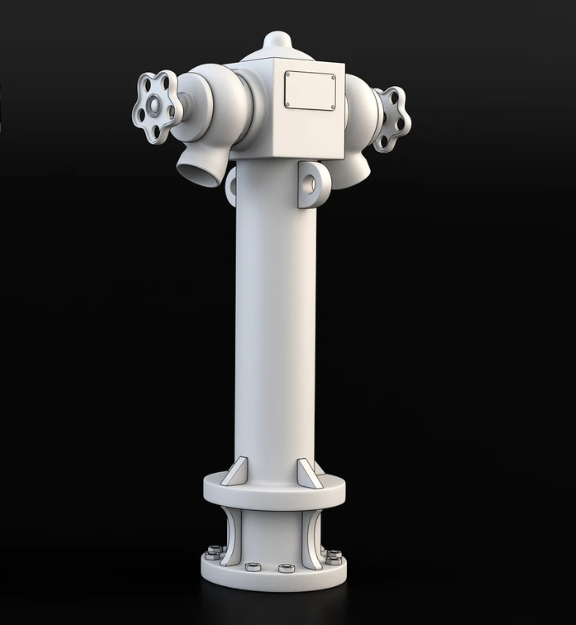
At the aircraft stand, hydrant pits provide the final interface between the underground fuel network and mobile refueling equipment. These pits require precise engineering to ensure safe access, secure connections, and reliable shut-off functionality. Design work includes valve assemblies, couplings, containment features, and protective structures that safeguard both equipment and personnel during operations.

Attention is also given to ergonomics and operational efficiency, ensuring that fueling personnel can connect and disconnect equipment quickly and safely. Proper sealing, drainage control, and contamination prevention measures are incorporated to maintain fuel quality and system integrity at the point of use.

Monitoring, Safety,

and Control Systems

Because aviation fuel systems are safety-critical, extensive monitoring and control measures are integrated into the hydrant infrastructure. Engineering includes leak detection systems, pressure monitoring, flow measurement, emergency shut-off logic, and alarm integration with airport control systems. These systems are designed to detect anomalies quickly and initiate protective responses when required.

Safety engineering also considers fire protection requirements, isolation strategies, and risk mitigation measures across the entire network. The objective is to ensure that fuel is delivered efficiently while maintaining strict control over potential hazards in a complex airport operating environment.

Lifecycle Performance and

Airport Integration

Hydrant fueling systems are long-term infrastructure investments that must remain reliable over decades of service. Engineering therefore includes lifecycle planning, maintenance access design, inspection strategies, and upgrade pathways for future expansion. Integration with broader airport utilities, apron layouts, and operational procedures is also essential to ensure smooth coordination with other ground handling activities.

As airports expand and fuel demand increases, hydrant systems must be capable of scaling without major disruption to existing operations. Careful planning during the design phase ensures that future extensions, capacity upgrades, and technology improvements can be implemented efficiently while maintaining continuous service.

Prev
Next
quick contact: