
Engineering Safe and Controlled Aircraft Parking Environments

Aircraft stand safety and monitoring systems are designed to support safe aircraft positioning, ground operations awareness, and collision prevention within apron environments. These systems combine sensing technologies, surveillance infrastructure, data processing, and control logic to improve situational awareness during aircraft arrival, servicing, and departure. Engineering such systems requires careful consideration of operational safety requirements, airport layout constraints, environmental conditions, and integration with existing ground support processes.
Detection and Sensing Technologies


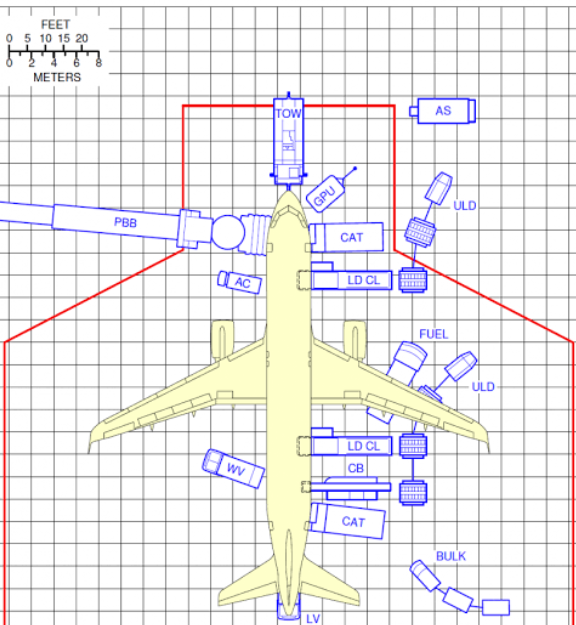
At the core of stand safety systems are sensing technologies that monitor aircraft position, movement, and clearance relative to surrounding infrastructure. Engineering work focuses on selecting and integrating technologies such as radar, laser-based measurement systems, optical sensors, and proximity detection devices. Each technology must be evaluated for accuracy, reliability, and performance under varying weather and lighting conditions.

System design also considers detection coverage, redundancy, and response time to ensure consistent performance in high-traffic environments. Proper sensor placement and calibration are essential to maintaining accurate spatial awareness across different aircraft types and stand configurations.

Surveillance and

Operational Awareness

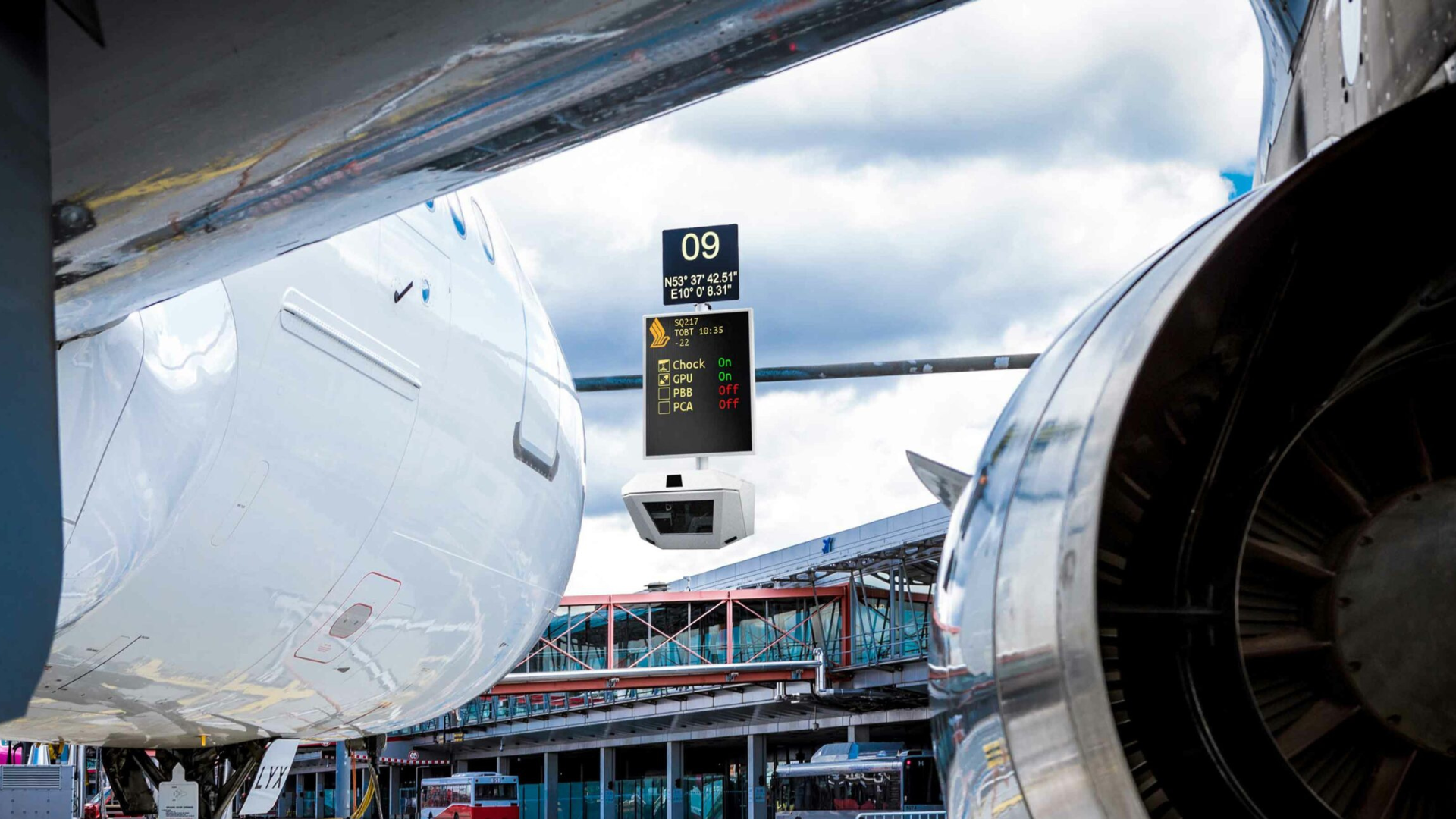
In addition to direct sensing, stand safety systems often incorporate surveillance components that provide visual and data-driven monitoring of aircraft stands. Engineering includes camera system placement, image processing integration, data transmission architecture, and monitoring interfaces for operational personnel.

These systems enhance overall situational awareness by providing real-time visual confirmation of stand conditions, ground vehicle movements, and aircraft positioning. When combined with detection technologies, surveillance systems help create a comprehensive operational picture that supports safer and more efficient airport ground operations.

Control Systems and

Safety Logic

Safety-critical operations require robust control systems capable of processing sensor data and triggering appropriate responses when thresholds are exceeded. Engineering work includes development of control architectures, alarm logic, interlock systems, and communication interfaces with airport operational systems.

These systems are designed to provide early warnings, automated alerts, or operational restrictions when unsafe conditions are detected. Reliability, fault tolerance, and system responsiveness are key considerations, as delays or failures in safety response can have significant operational consequences.

Integration with Airport

Operations and Infrastructure

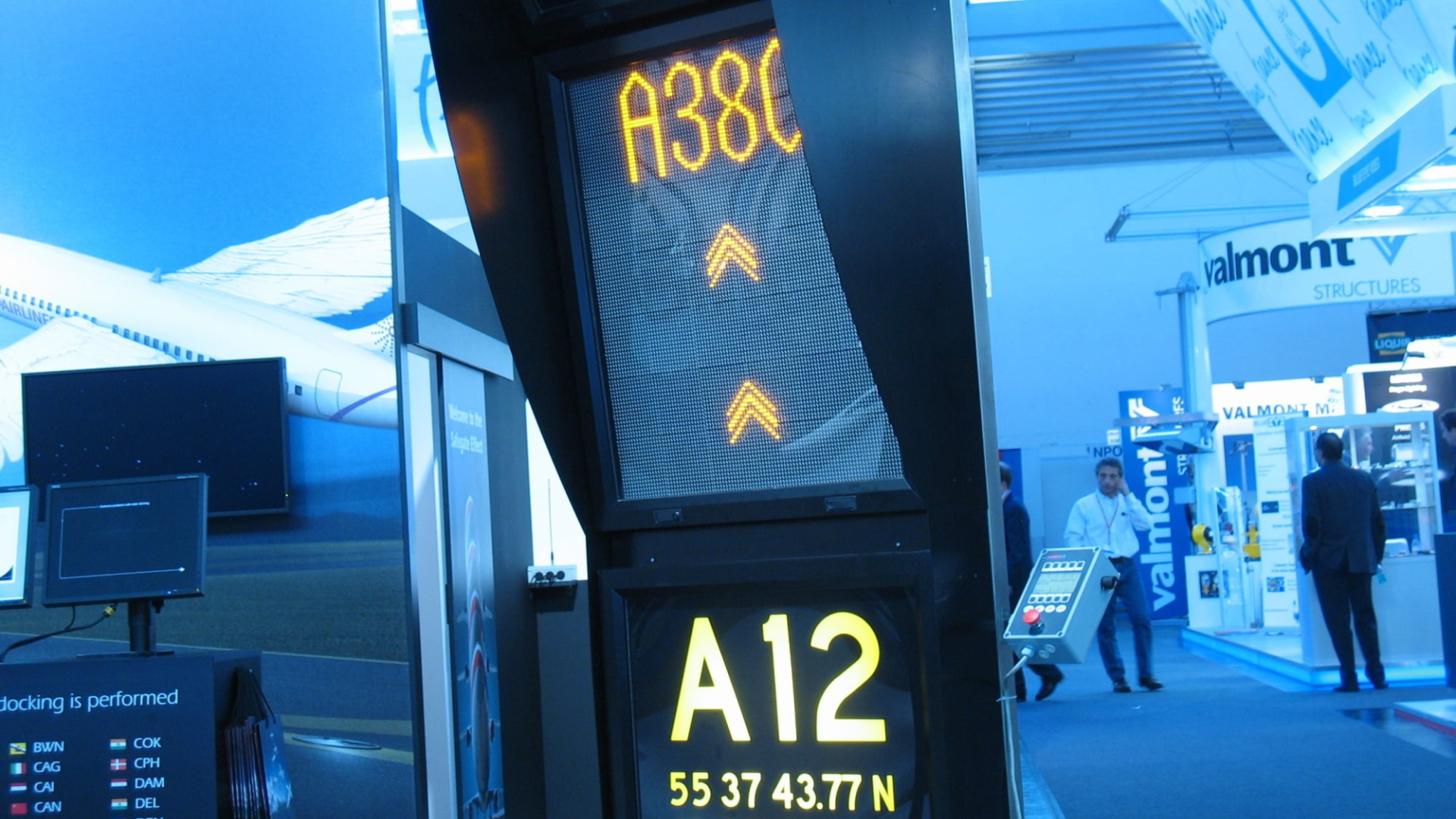
Effective stand safety systems must function seamlessly within the broader airport environment. Engineering therefore includes integration with gate equipment, ground handling procedures, aircraft parking guidance systems, and operational control centers. Coordination with other systems ensures that safety monitoring complements rather than interferes with routine operations. As airports adopt increasingly automated and data-driven operations, stand safety systems are evolving toward greater integration and intelligence. This includes centralized monitoring, predictive analysis, and improved coordination between ground support systems to enhance overall operational safety and efficiency across the apron environment.

Prev
Next
quick contact: