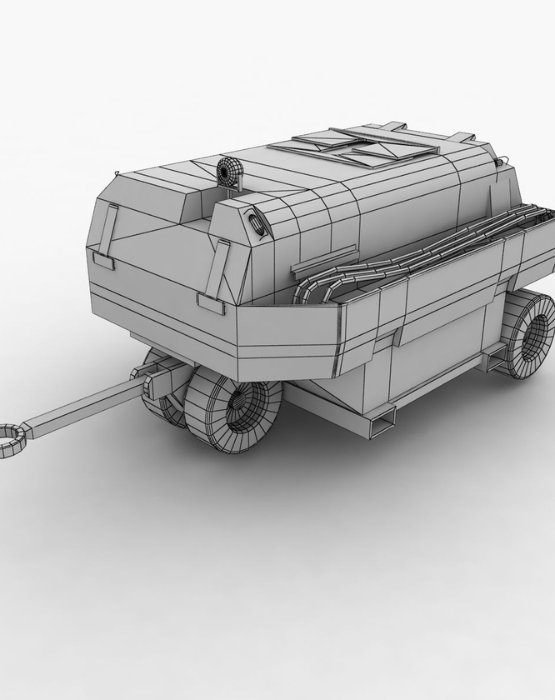


Most projects begin with operational requirements rather than defined technical solutions. Aircraft types, turnaround targets, passenger volumes, baggage flows, and servicing demands are translated into system-level concepts that define how infrastructure should be structured. This process involves breaking down operations into functional blocks and rebuilding them as engineered systems. For example, a baggage requirement becomes a routing and handling concept; a stand requirement becomes a layout of interfaces, equipment positions, and service paths; an energy requirement becomes a distribution and capacity model. The goal is to remove ambiguity early, so that later design stages are based on a stable and realistic technical foundation.


Once a concept is defined, it must be tested against real-world constraints. Feasibility studies evaluate whether proposed systems can be implemented within the physical, operational, and regulatory limits of an airport environment. This includes spatial constraints such as terminal layouts and apron geometry, operational constraints such as turnaround time and aircraft mix, and technical constraints such as power availability, hydraulic capacity, and integration with existing infrastructure. Where multiple options exist, they are assessed comparatively. The focus is on identifying practical solutions rather than theoretical ones, and on understanding the implications of each approach before committing to detailed engineering.
A key part of feasibility work is understanding whether a system can meet demand. This involves modelling capacity requirements, peak loads, and operational scenarios to ensure systems are neither under-designed nor unnecessarily over-engineered. For baggage systems, this may involve throughput analysis and routing capacity. For stand systems, it may involve aircraft mix and gate utilization. For utilities such as power, fuel, or air supply, it may involve load profiling and peak demand assessment. These studies provide the technical basis for sizing equipment, defining infrastructure requirements, and ensuring long-term operational adequacy.








© 2026 STEEL CLOVER LLC. All Rights Reserved.