
Engineering Climate-Controlled Aircraft Ground Support

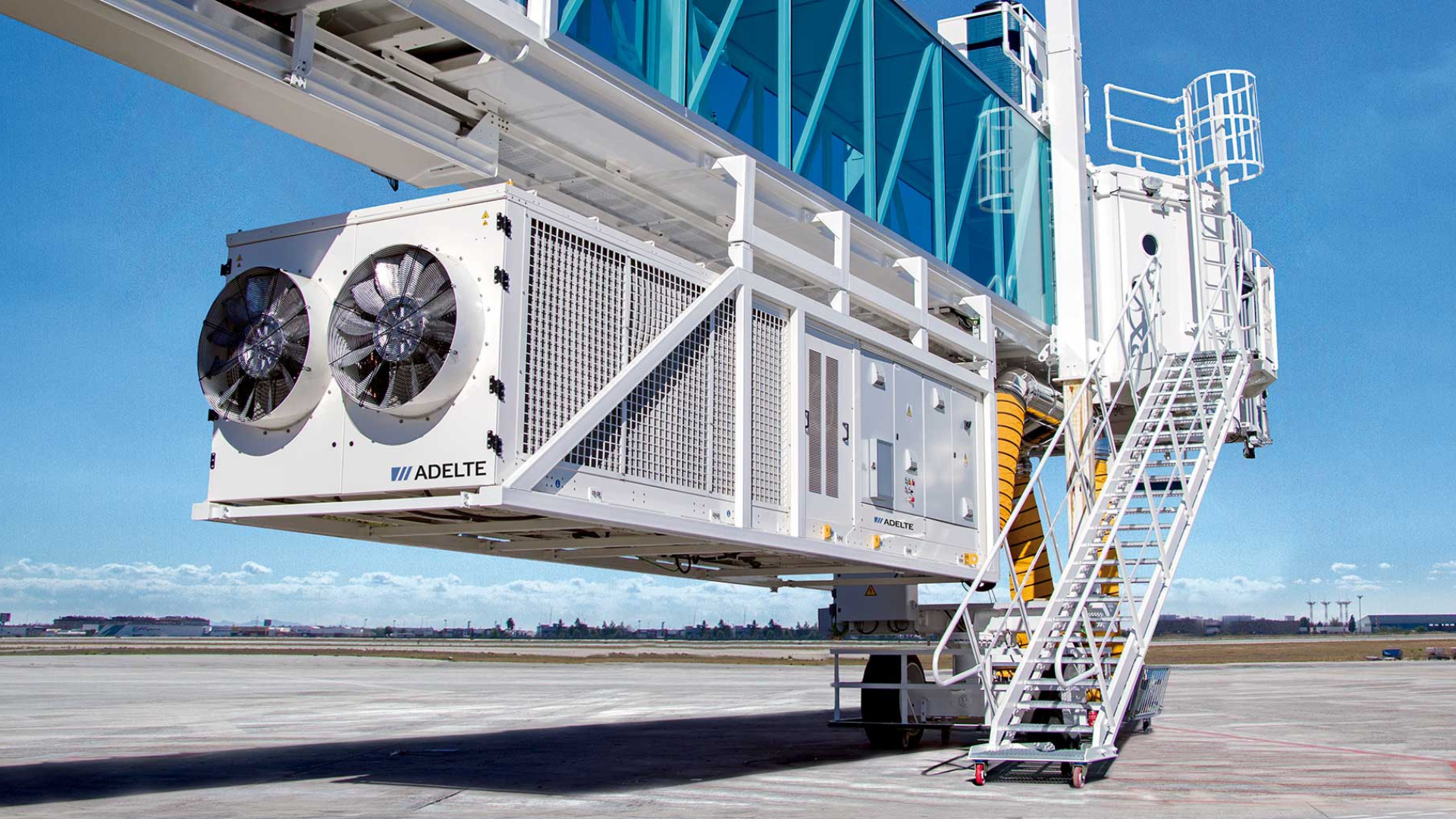
Pre-conditioned air systems provide temperature and humidity-controlled air directly to parked aircraft while they are on stand. These systems reduce the need for aircraft auxiliary power units, lowering fuel consumption, emissions, and noise at the gate. Engineering such systems requires a combination of HVAC design, energy management, mechanical distribution systems, and airport infrastructure integration to ensure consistent performance across varying aircraft types and environmental conditions.
Thermal Performance and HVAC Engineering


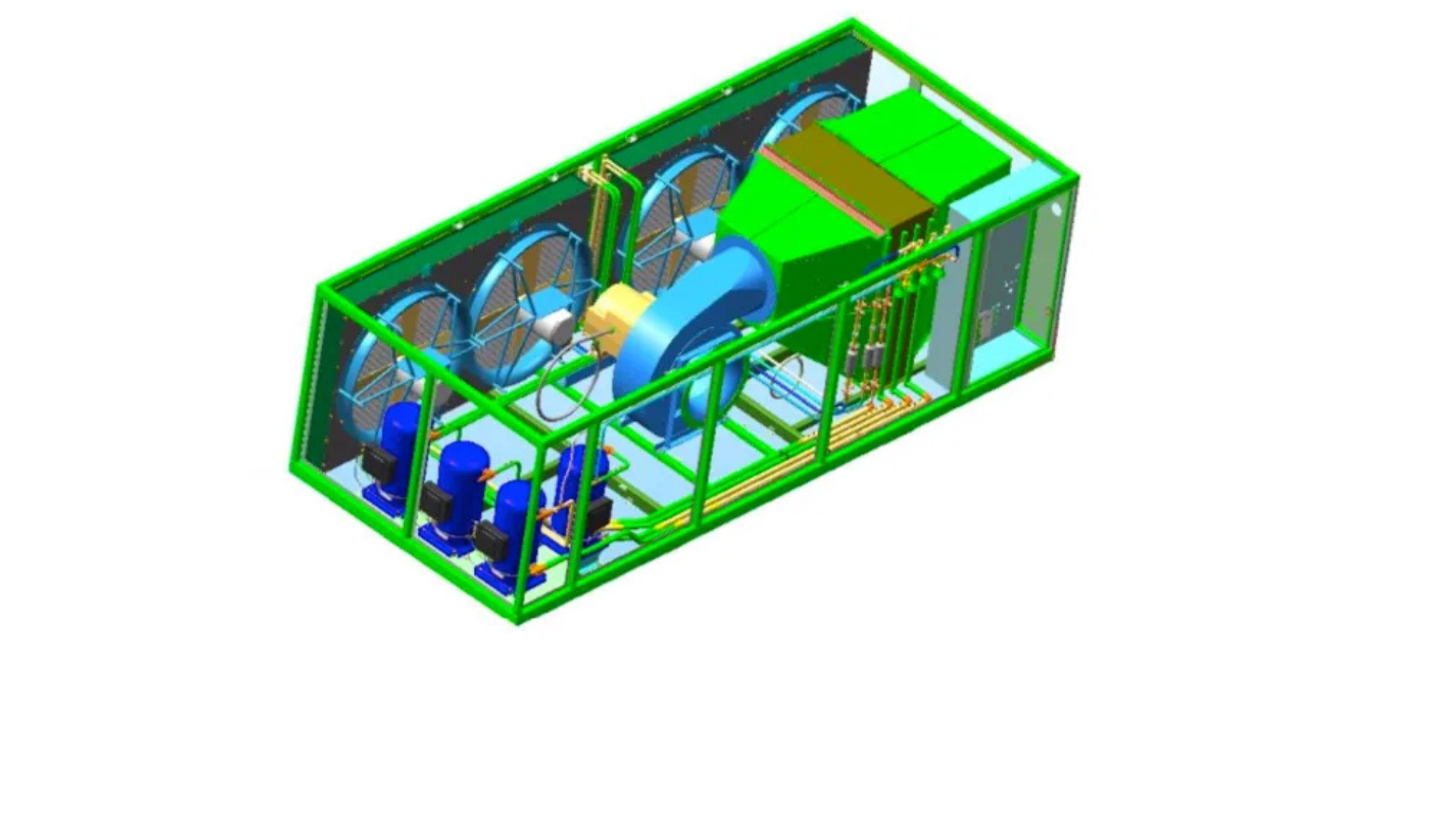
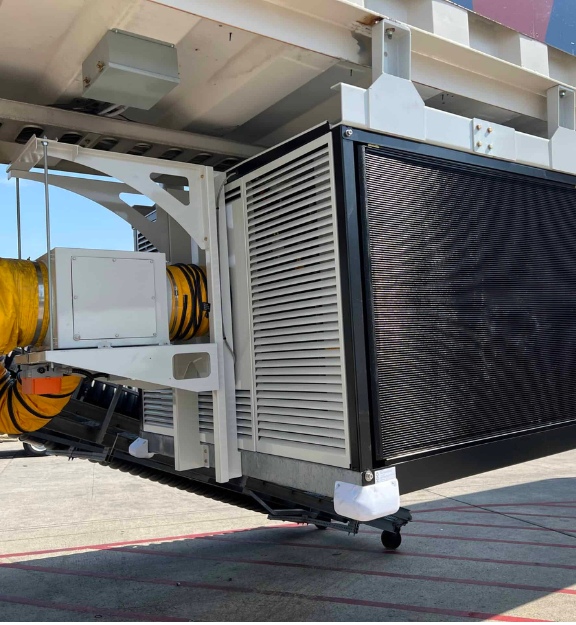
At the core of PCA system design is the ability to deliver air at precise temperature and flow conditions regardless of external weather variations. Engineering work focuses on refrigeration and heating capacity, airflow modelling, duct sizing, and pressure control to ensure stable cabin conditioning. Systems must be designed to handle peak summer and winter extremes while maintaining efficiency during partial load operation. Energy efficiency is a key consideration throughout the design process. Engineers evaluate equipment selection, heat exchange performance, insulation strategies, and control logic to reduce operational energy consumption while maintaining consistent output quality. The goal is to achieve reliable thermal performance without excessive energy demand or operational complexity.

Distribution Systems and

Aircraft Interface Design

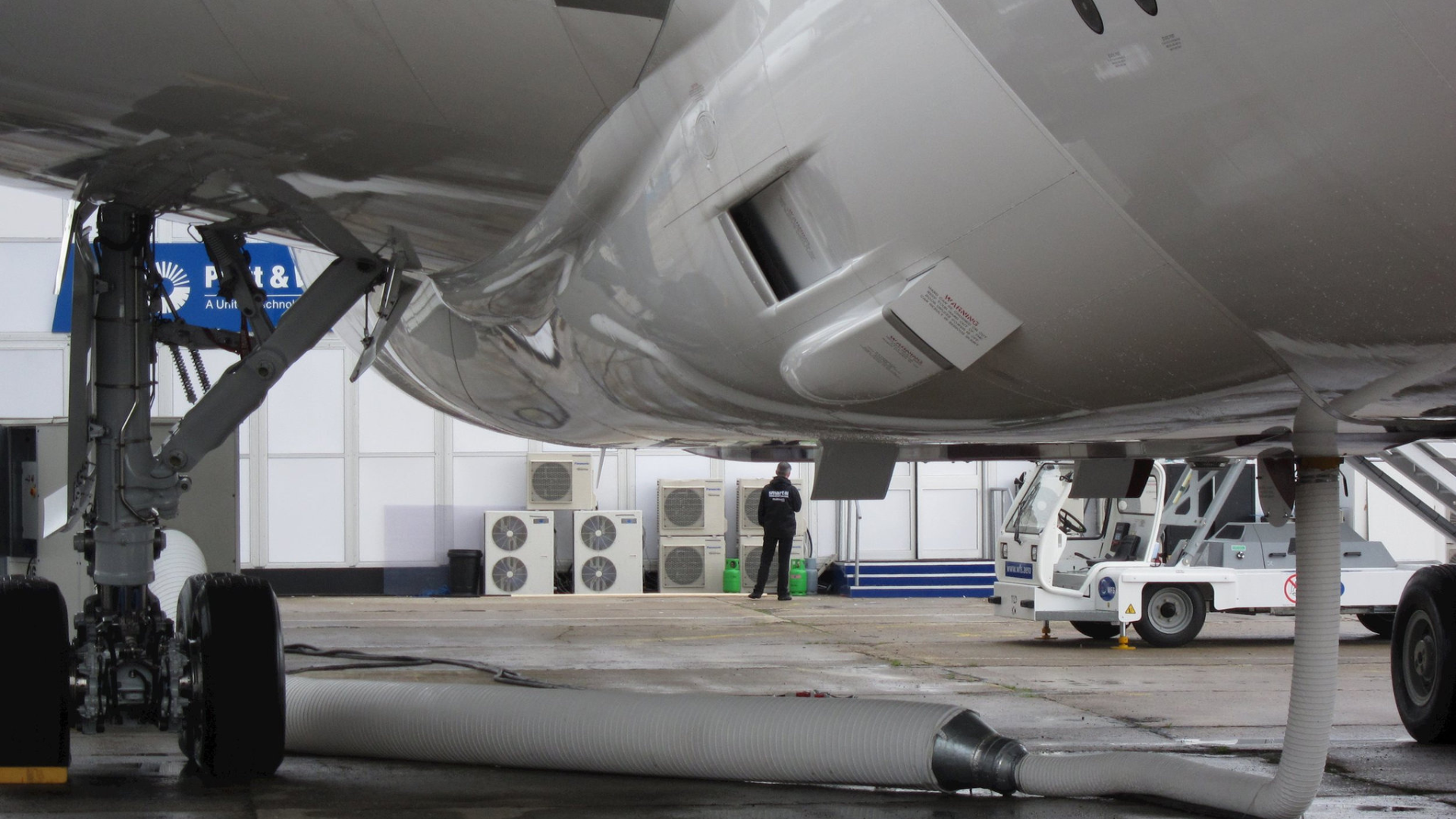
Delivering conditioned air to aircraft requires carefully designed ducting systems that connect ground equipment to aircraft environmental control system interfaces. These ducts must be flexible, durable, and capable of maintaining airflow integrity under repeated deployment cycles. Engineering includes hose routing, connection mechanisms, reel systems, and storage arrangements that support efficient gate operations.

Aircraft interface design is equally important, as connections must be compatible with a wide range of aircraft types while ensuring secure sealing and minimal air leakage. Attention is given to alignment, coupling mechanisms, and operational ergonomics to ensure quick and reliable connection during tight turnaround schedules.

Controls, Automation, and

Operational Integration

Modern PCA systems rely on automated controls to regulate temperature, airflow, and system performance in real time. Engineering work includes control system architecture, sensor integration, monitoring interfaces, and safety interlocks that ensure stable operation under changing environmental conditions. These systems allow operators to adjust output based on aircraft requirements while maintaining energy efficiency.

Integration with airport gate infrastructure is also essential. PCA systems must operate alongside ground power, fueling, and other servicing equipment without interference, requiring coordinated layout planning and operational sequencing. This ensures that all services at the gate function efficiently together during aircraft turnaround operations.

Sustainability and

Lifecycle Design

Pre-conditioned air systems play an important role in reducing airport environmental impact by minimizing reliance on aircraft auxiliary power units. Engineering therefore focuses not only on performance but also on long-term sustainability and lifecycle efficiency. Equipment selection, maintainability, and upgrade pathways are considered from the early design stages to ensure long-term operational viability.

As airports move toward lower-emission operations, PCA systems are increasingly integrated into broader energy and environmental strategies. Properly engineered systems support both operational efficiency and sustainability goals while maintaining reliable service throughout their operational lifespan.

Prev
Next
quick contact: