

Passenger boarding bridges represent a critical interface between airport terminals and aircraft, requiring the successful integration of structural, mechanical, electrical, and control engineering disciplines. While often viewed as a single piece of equipment, modern boarding bridges are highly complex systems that must operate reliably in demanding environments while accommodating a wide range of aircraft types, gate layouts, and operational requirements. Effective engineering ensures that bridge systems deliver consistent performance, maximize gate utilization, and support safe passenger movement throughout the airport environment.
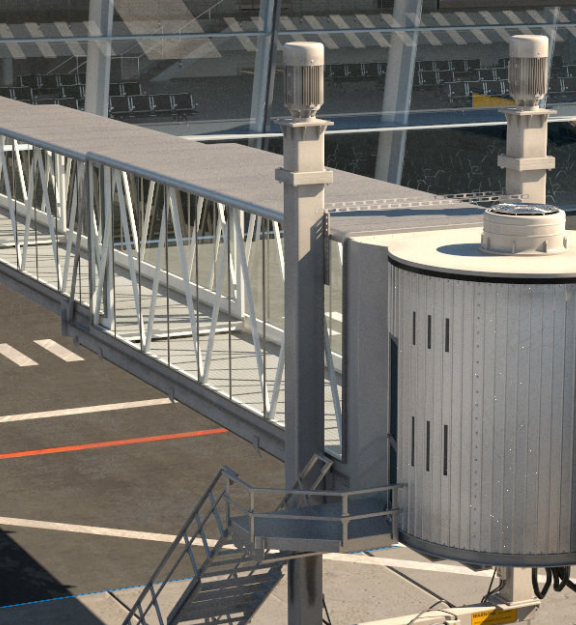
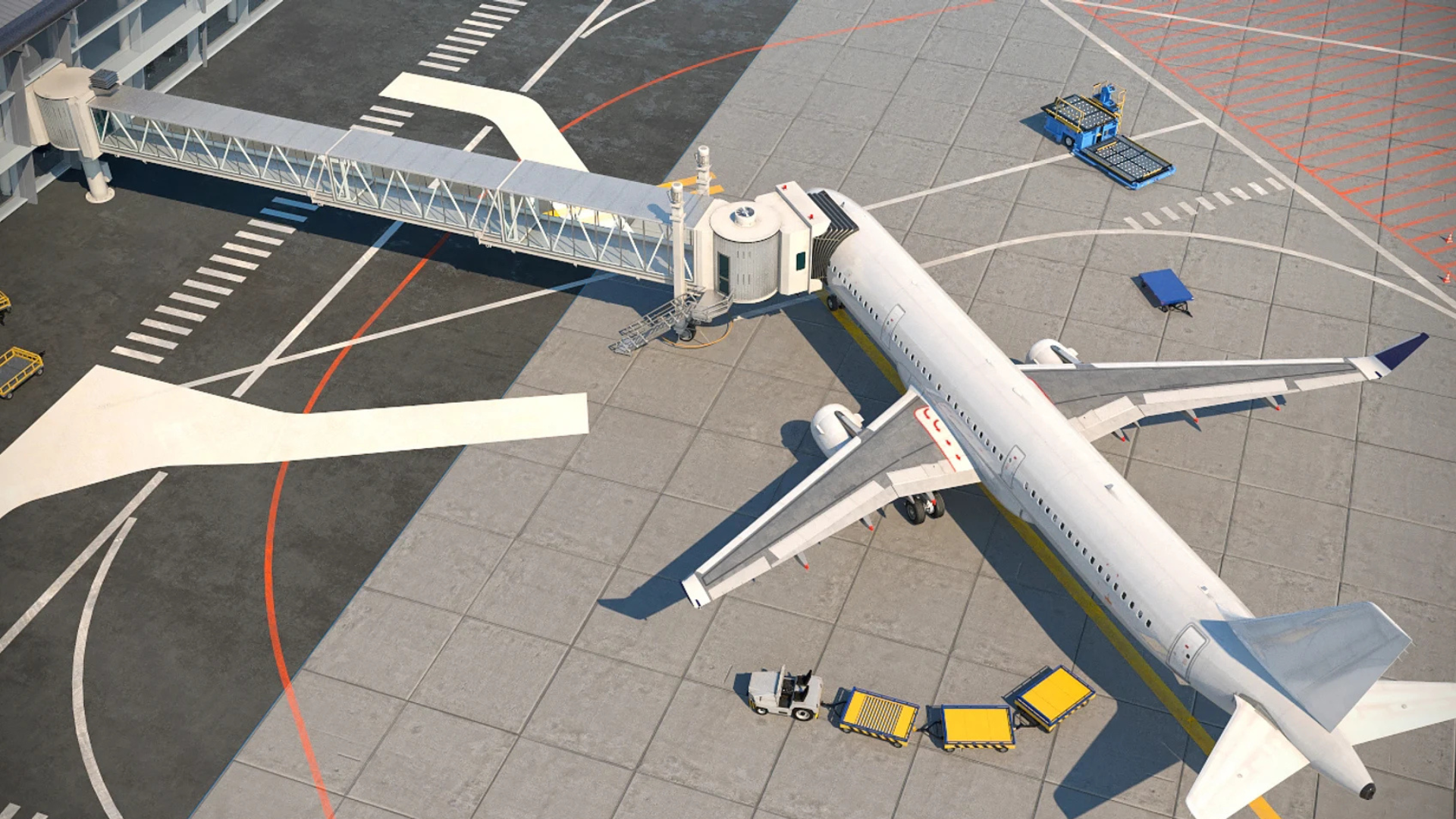
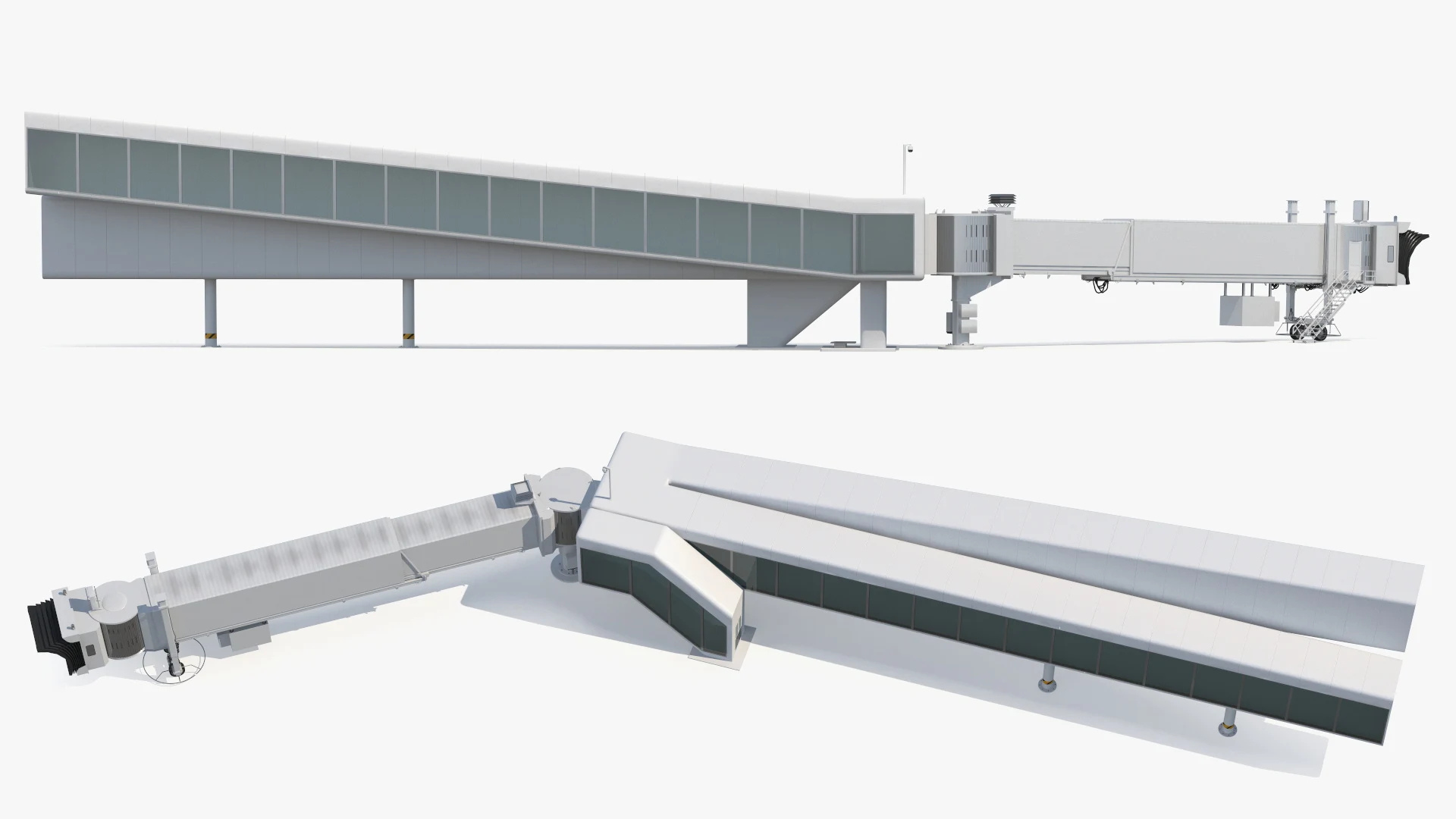
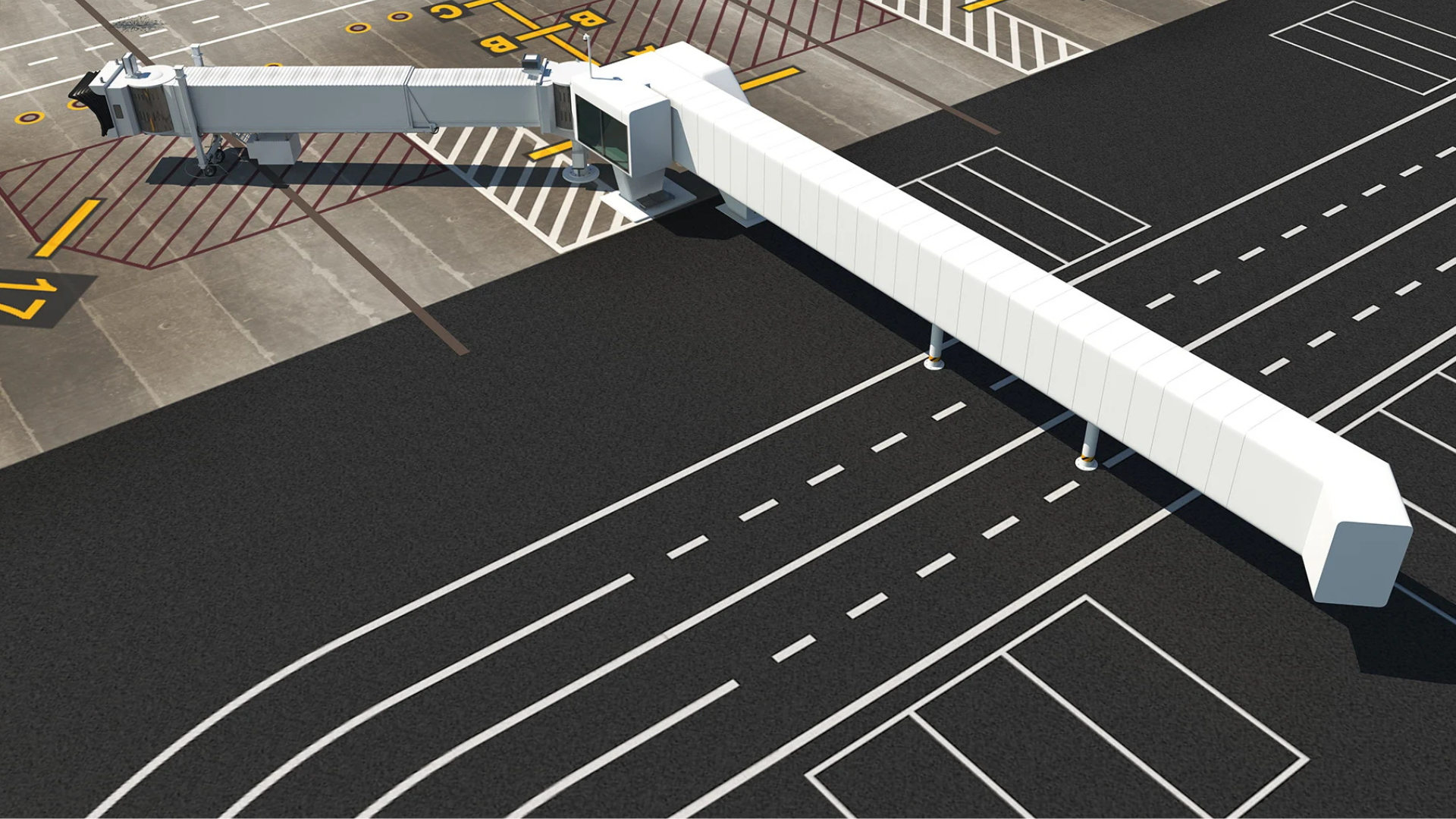
Every passenger boarding bridge project begins with a detailed understanding of operational requirements, aircraft compatibility, and terminal infrastructure constraints. The engineering process involves developing bridge geometries, movement envelopes, docking arrangements, and support structures that allow the system to function efficiently across varying aircraft positions and stand configurations. Mechanical, electrical, and control systems must be carefully coordinated to ensure smooth operation while maintaining reliability and ease of maintenance. Particular attention is given to system integration, ensuring that all components work together seamlessly while supporting the airport's long-term operational objectives.







© 2026 STEEL CLOVER LLC. All Rights Reserved.