

Airport infrastructure design requires multiple engineering disciplines working together from the
outset. Mechanical engineering is responsible for structural systems, moving assemblies, and
equipment that interacts directly with aircraft and ground operations. Electrical engineering covers
power distribution, control systems, protection, and the supporting infrastructure required for safe
and continuous operation.
Civil and structural engineering is essential wherever equipment connects to the airport environment
itself, including foundations, utility routes, ducting, and structural interfaces with terminals and
aprons. Control and automation engineering provides the logic that governs system behavior,
coordination, sequencing, and monitoring across complex operations.
In practice, these disciplines are never isolated. Most airport systems only function correctly when
all of them are considered together as part of a single design effort rather than separate technical
packages.

Our core service is the development of complete engineering solutions for airport ground systems. This begins with understanding operational requirements and ends with a fully defined technical design that can be constructed, commissioned, and operated reliably. It includes system architecture, equipment definition, interface design, and detailed multi-discipline engineering. A significant part of this work happens early in the design process, where system boundaries, responsibilities, and performance expectations are established. Decisions made at this stage determine how complex the system will be to operate and maintain for its entire lifecycle. We focus heavily on getting these fundamentals correct before detailed design begins. Design output includes more than technical drawings. It covers system behavior, operating logic, failure response, maintenance access requirements, and performance under both normal and abnormal conditions. The aim is to define systems that remain predictable and manageable throughout their operational life.

All systems are designed to meet applicable international aviation and airport infrastructure regulations from the outset. This includes frameworks such as ICAO Annex 14, IATA airport design guidance, relevant EN and ISO standards, and local civil aviation authority requirements depending on project location. These standards influence everything from safety clearances and operational interfaces to electrical systems, structural loading, and emergency procedures. Rather than treating compliance as a final validation step, it is embedded directly into the engineering process. Requirements are interpreted early and carried through system architecture, equipment selection, and detailed design so that safety, performance, and operability remain aligned. This avoids late-stage redesigns that typically arise when regulatory requirements are considered too late in development. In many projects, different standards apply simultaneously and are not always fully aligned. In these cases, engineering judgment is used to resolve conflicts while maintaining compliance with the governing authority and preserving safe, practical operation in real airport conditions.
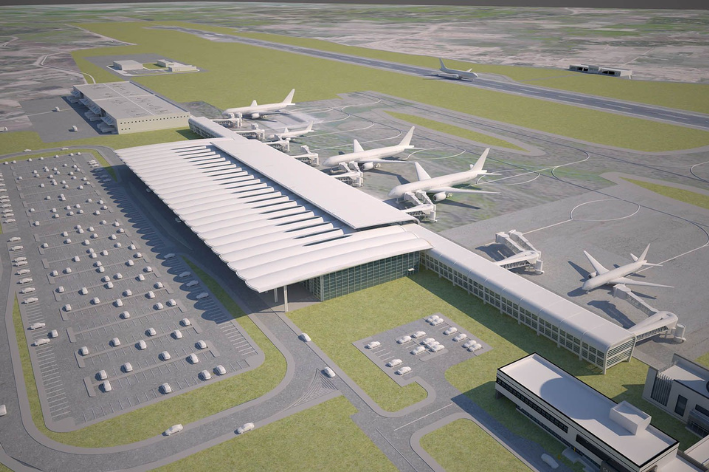
Most engineering challenges in airport environments are not related to individual equipment performance, but to how systems connect and function together. This service focuses on those interfaces: how equipment is positioned, how utilities are routed, how systems interact at the gate, and how operational processes are supported physically and technically. Integration work also includes coordination between multiple design packages and contractors. Without this coordination, even well-designed systems can fail to operate effectively once installed. The objective is to ensure that all components behave as a single coherent system once they are in service. Spatial constraints, aircraft movement paths, service access requirements, and operational sequencing all influence how systems are integrated into the airport environment. These factors must be resolved together rather than individually.
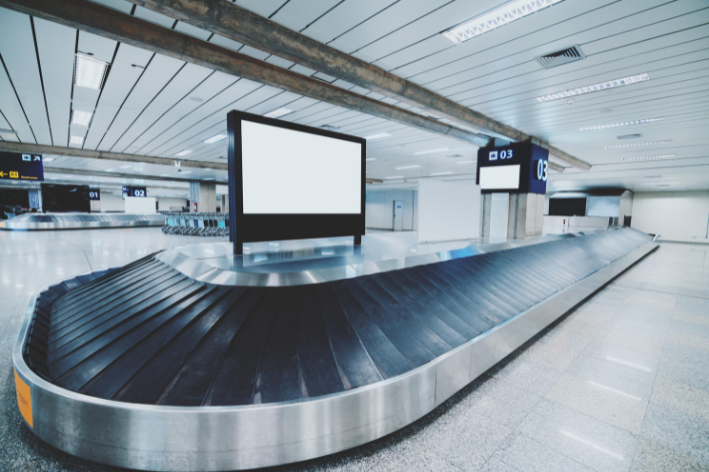
Airport systems rarely fail in a single moment; they degrade in small, practical ways that only become visible once operations start stretching them. Small inefficiencies in access, sequencing, spare parts availability, or control logic tend to accumulate into downtime or reduced throughput. Our focus in this area is on identifying where those weak points typically emerge and addressing them by designing systems that last longer. We also look closely at how systems behave under changing operational patterns rather than just time-based wear. For example, increases in aircraft size, higher peak scheduling density, or changes in ground handling procedures can have a greater impact than physical ageing alone. Understanding these shifts allows engineering support to be targeted where it has the most operational value.







© 2026 STEEL CLOVER LLC. All Rights Reserved.