
Electrical Power Systems for Aircraft Ground Operations

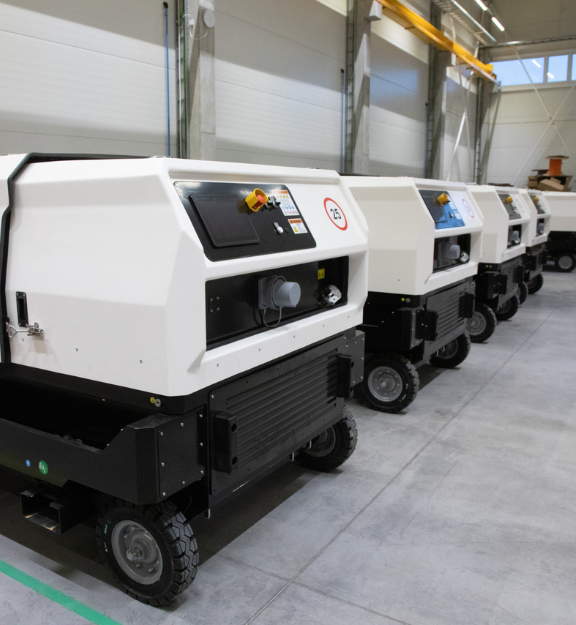
Ground power units play a vital role in airport operations by providing aircraft with a reliable source of electrical power while parked at the gate, remote stand, or maintenance facility. As airlines continue to reduce fuel consumption and minimize unnecessary engine operation, dependable ground power infrastructure has become an increasingly important component of modern airport environments. Effective ground power unit design requires a thorough understanding of power generation, conversion, distribution, protection, and aircraft interface requirements to ensure safe and consistent operation under demanding conditions.
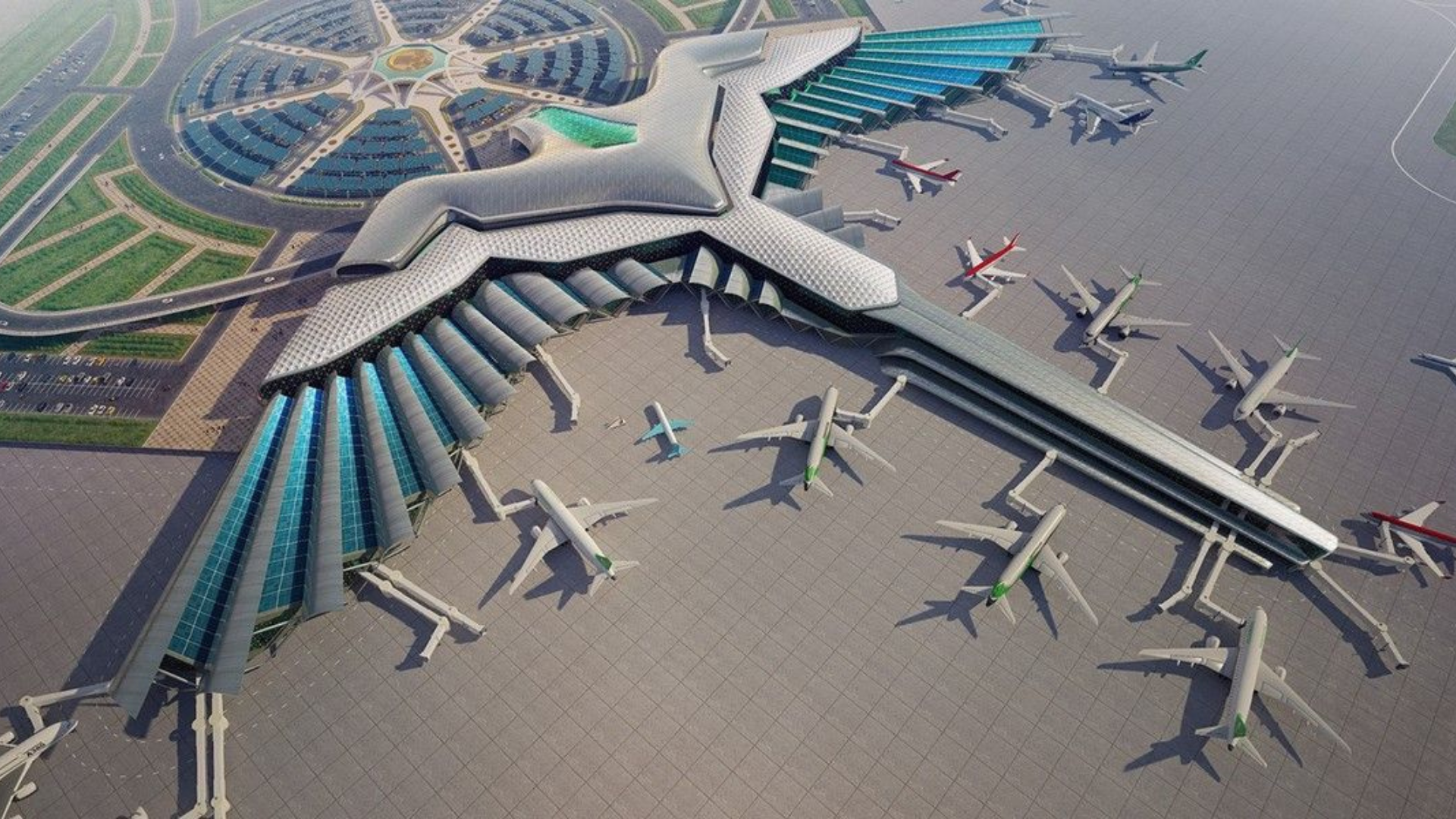
Power Conversion & Distribution Engineering


At the heart of every ground power unit system is the electrical architecture responsible for converting incoming power into the voltage and frequency required by the aircraft. This requires careful coordination of transformers, converters, switchgear, protection devices, distribution equipment, and monitoring systems.

Engineering activities may include:
• Power conversion system design
• Electrical distribution architecture
• Protection and fault management systems
• Cable handling and connection systems
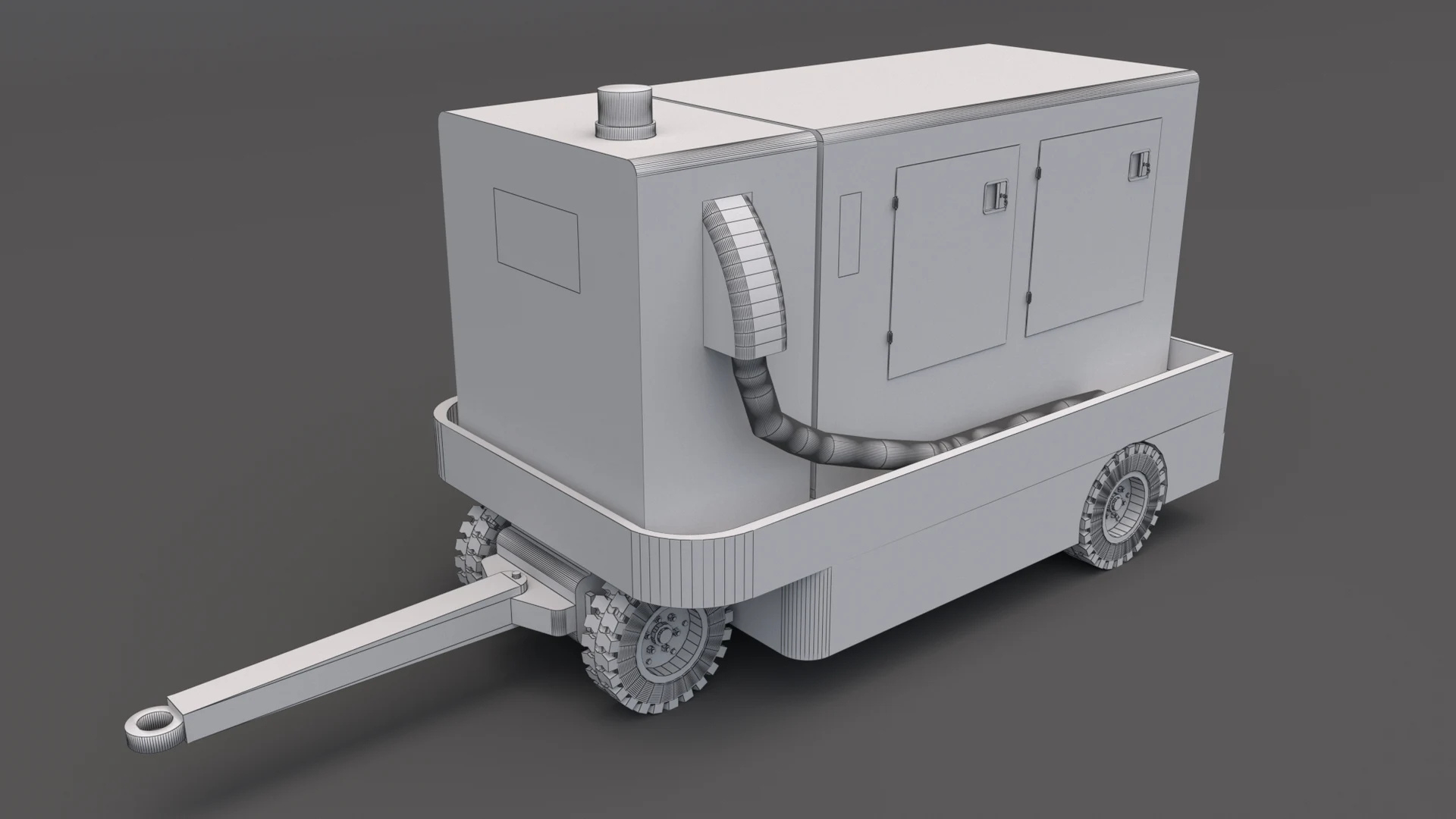
• Equipment packaging and enclosure design
• Thermal management analysis
• Power quality assessment

These elements must work together to deliver

Integration with Airport

Infrastructure

Ground power systems rarely operate in isolation. Their performance depends on successful integration with airport electrical networks, gate infrastructure, maintenance operations, and broader energy management strategies. Design work often involves coordinating utility connections, equipment locations, structural interfaces, operational workflows, and future expansion requirements.

As airports pursue sustainability objectives, ground power units also play an important role in reducing emissions associated with aircraft auxiliary power unit usage. Properly designed systems can help airports lower energy consumption, improve operational efficiency, and support environmental initiatives without compromising reliability or performance.

Supporting New

Installations & Upgrades

Many airports are modernizing existing gate infrastructure to accommodate larger aircraft fleets, increased passenger traffic, and evolving operational requirements. Ground power projects may involve completely new installations, capacity upgrades, equipment replacement programs, or the integration of advanced monitoring and control technologies.

By combining electrical engineering expertise with a practical understanding of airport operations, ground power unit systems can be developed that provide dependable service, simplify maintenance, and support efficient aircraft ground handling for years to come.

Designing Reliable

Power Solutions

Every ground power project begins with a detailed assessment of operational requirements, aircraft compatibility, power demand, and installation constraints. Whether supporting fixed gate installations or mobile equipment, the design process must address electrical performance, environmental conditions, maintenance access, and long-term reliability. Engineers evaluate power conversion technologies, system capacities, cable management solutions, and equipment configurations to ensure the final design meets operational objectives while maintaining efficiency and compliance with industry standards.

The resulting system must provide stable power output under varying load conditions while protecting both airport infrastructure and aircraft systems from electrical disturbances. Reliability is particularly important in high-traffic airport environments where equipment downtime can directly affect gate availability and aircraft turnaround schedules.

Prev
Next
quick contact: