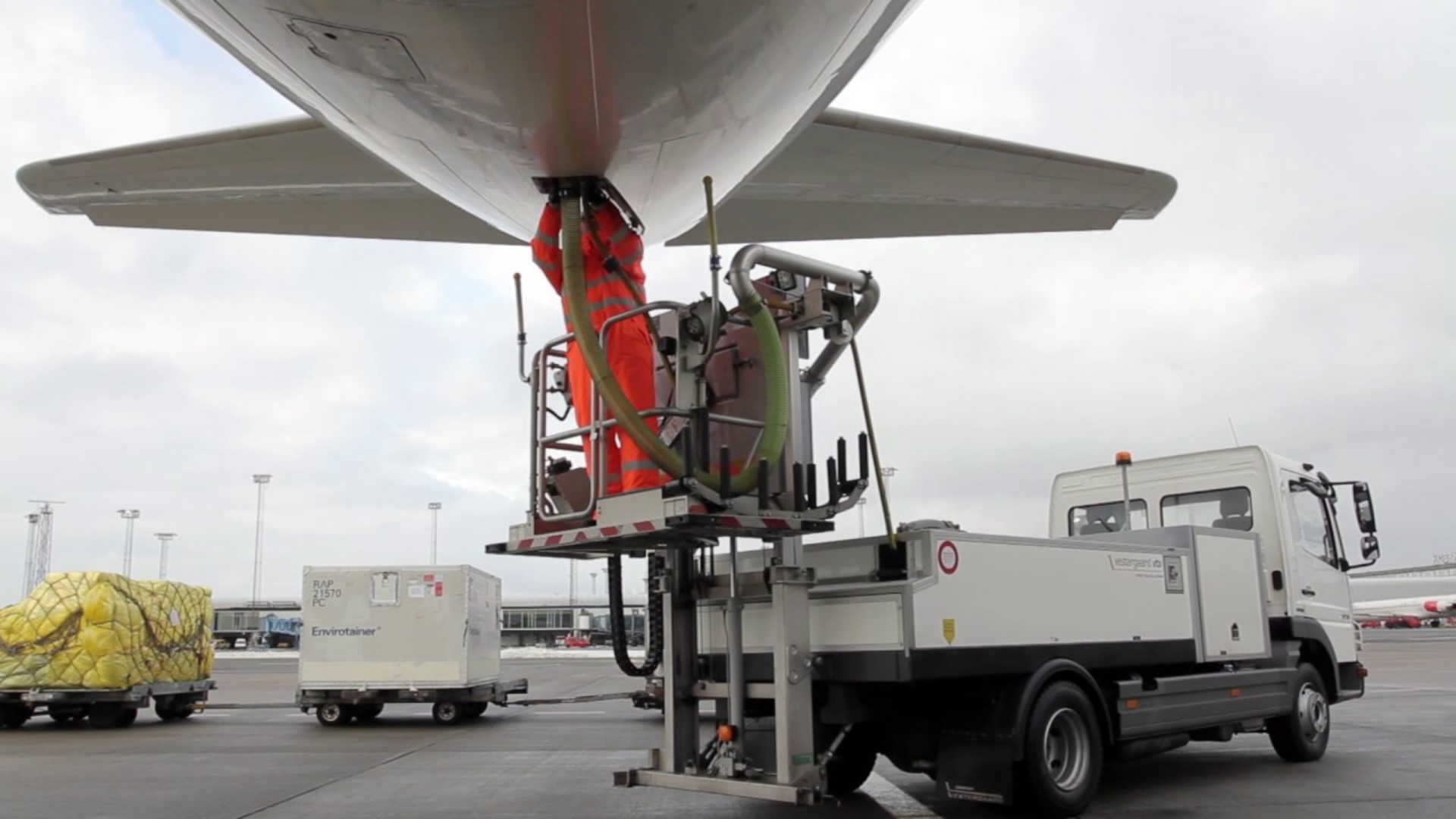

Engineering Ground Infrastructure for Aircraft Servicing Operations

Aircraft lavatory servicing relies on a range of specialized systems that manage the collection, transfer, storage, and disposal of waste while supporting the replenishment of service fluids. Although these systems operate largely behind the scenes, they are an essential part of aircraft turnaround operations and must function reliably in demanding airport environments. Effective engineering requires the integration of fluid handling equipment, pumping systems, storage infrastructure, controls, and utility connections into a solution that supports safe, hygienic, and efficient servicing activities.
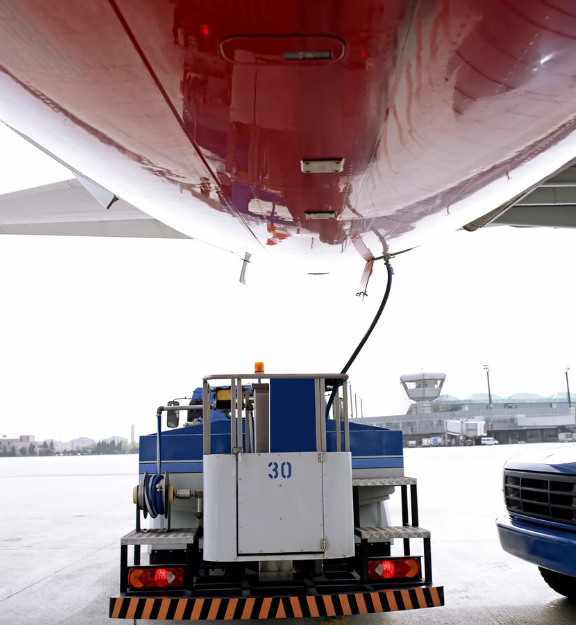
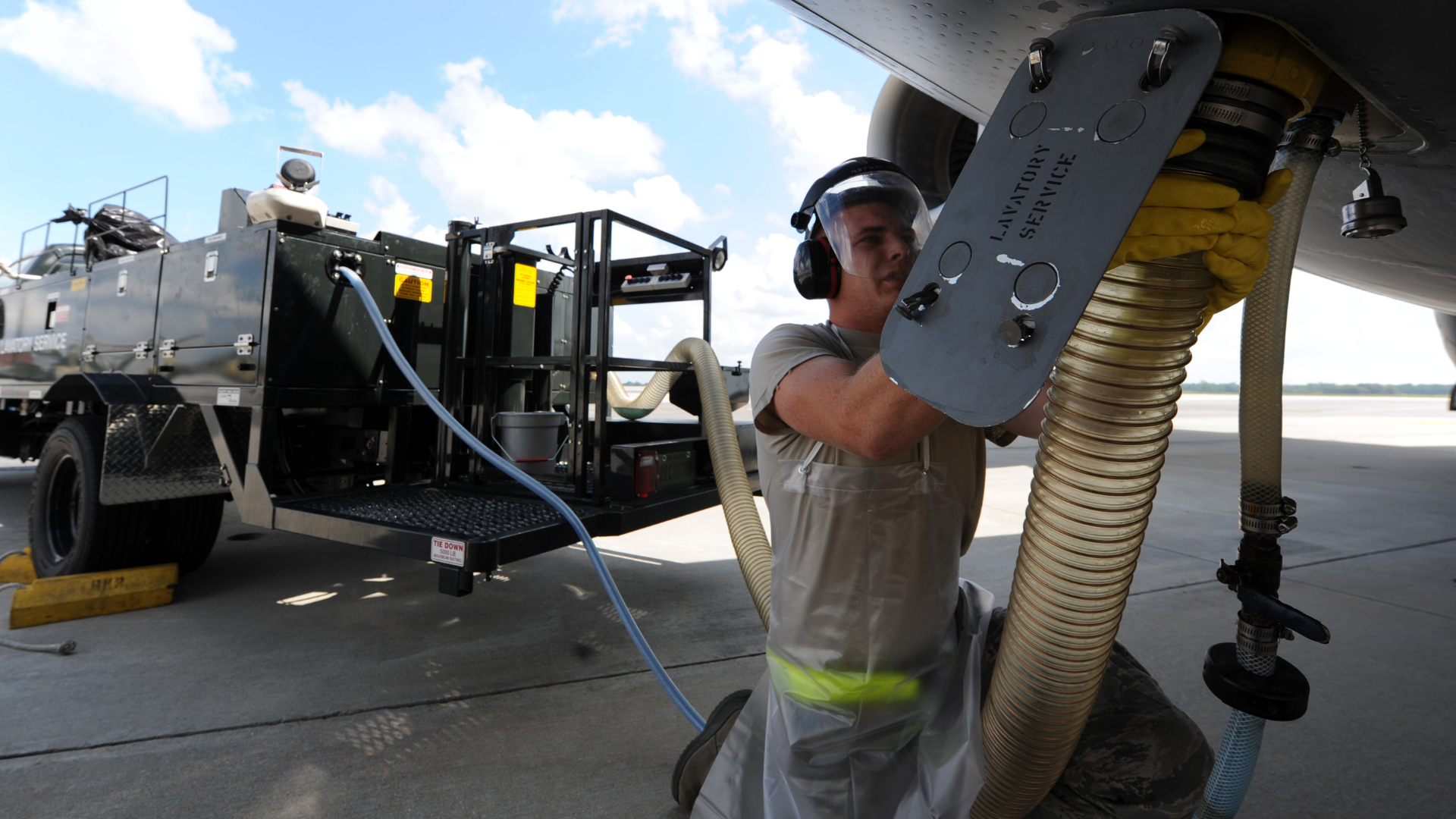
Designing Efficient Service Infrastructure


The design process begins with understanding operational requirements, aircraft traffic volumes, servicing frequencies, and facility constraints. These factors determine the capacity and configuration of storage systems, transfer equipment, pumping arrangements, and supporting infrastructure. Because servicing activities often occur within tight turnaround windows, system layouts must be designed to minimize delays while allowing maintenance personnel safe and efficient access to equipment. Particular attention is given to equipment reliability and maintainability. Components must withstand continuous operation, exposure to harsh environmental conditions, and frequent cleaning procedures while maintaining consistent performance over extended service lives. Engineering decisions are therefore guided not only by technical requirements but also by long-term operational considerations.

Trade CFluid Handling

and Control Systemsenter

Managing waste and service fluids requires carefully designed transfer systems that maintain operational efficiency while protecting personnel, equipment, and the surrounding environment. Engineering activities focus on flow control, pumping performance, storage management, piping design, instrumentation, and system monitoring. These elements must work together to ensure predictable operation under varying demand conditions.

Control systems provide operators with visibility into system status while supporting automated functions that improve efficiency and reduce the potential for operational errors. Through the integration of monitoring technologies and modern control strategies, facilities can achieve higher levels of reliability while simplifying routine servicing activities and maintenance procedures.

Supporting Airport Facilities

and Future Growth

Lavatory service infrastructure must be designed with the broader airport environment in mind. Utility connections, maintenance access, environmental regulations, operational workflows, and future capacity requirements all influence the final design solution. As airports expand and aircraft movements increase, servicing systems must remain capable of supporting higher throughput without compromising safety or performance. Whether developing new servicing facilities or upgrading existing infrastructure, engineering efforts focus on delivering systems that provide dependable long-term operation while supporting efficient aircraft turnaround processes. By combining practical operational understanding with sound engineering principles, lavatory service systems can be developed that continue to meet airport requirements for many years to come.

Prev
Next
quick contact: