
Engineering Equipment for Efficient Ground Handling Operations

Baggage support systems encompass a range of ground handling equipment used to move, stage, and transfer baggage and cargo between terminals, storage areas, and aircraft. Rather than functioning as isolated products, these systems are engineered as part of an integrated airport logistics environment where reliability, durability, and operational flow are critical. The engineering focus is on mechanical design, structural performance, interface compatibility, and operational efficiency across multiple equipment types that must work together under continuous airport use conditions.
Unit Load Devices (ULD) Handling Systems


ULD handling systems require precise engineering due to the size, weight, and standardized interfaces of air cargo containers and pallets. Design work focuses on structural frames, lifting and positioning mechanisms, roller and ball transfer systems, and interface geometry to ensure smooth movement between storage areas and aircraft loading positions. Attention is given to load distribution, mechanical robustness, and alignment accuracy, as even small deviations can affect aircraft loading efficiency and safety. These systems must also be engineered for compatibility with international ULD standards while maintaining long-term durability under repetitive operational cycles.

Belt

Loaders

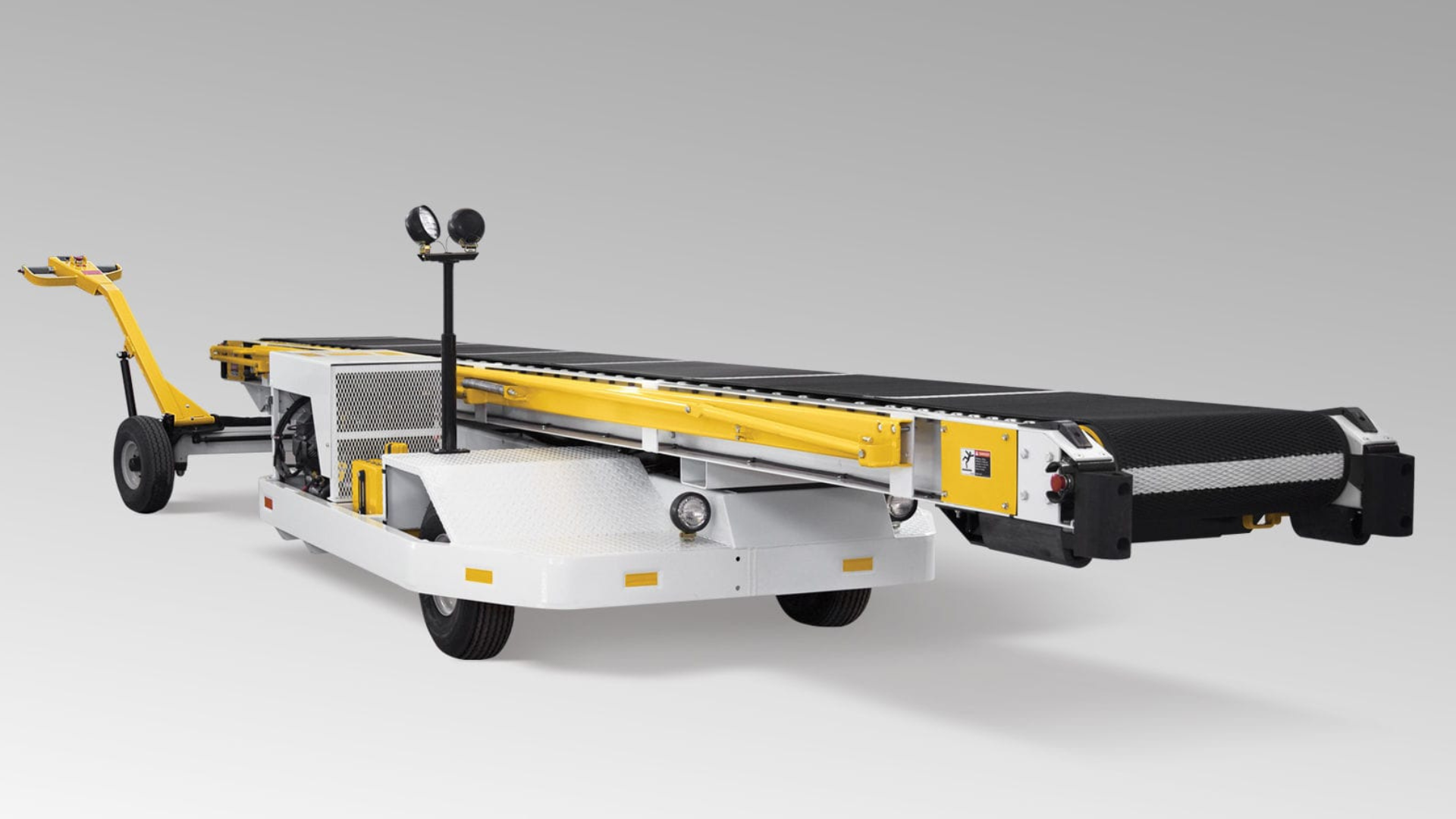
Belt loader systems require careful mechanical and conveyor engineering to ensure consistent and controlled transfer of baggage into and out of aircraft cargo holds. Design considerations include conveyor speed control, incline geometry, structural stability, material handling performance, and interface alignment with different aircraft door heights. The engineering challenge lies in maintaining smooth, damage-free baggage flow while accommodating a wide range of operational conditions, including varying aircraft types, weather exposure, and intensive daily usage within tight turnaround schedules.

Baggage Carts

and Trailers

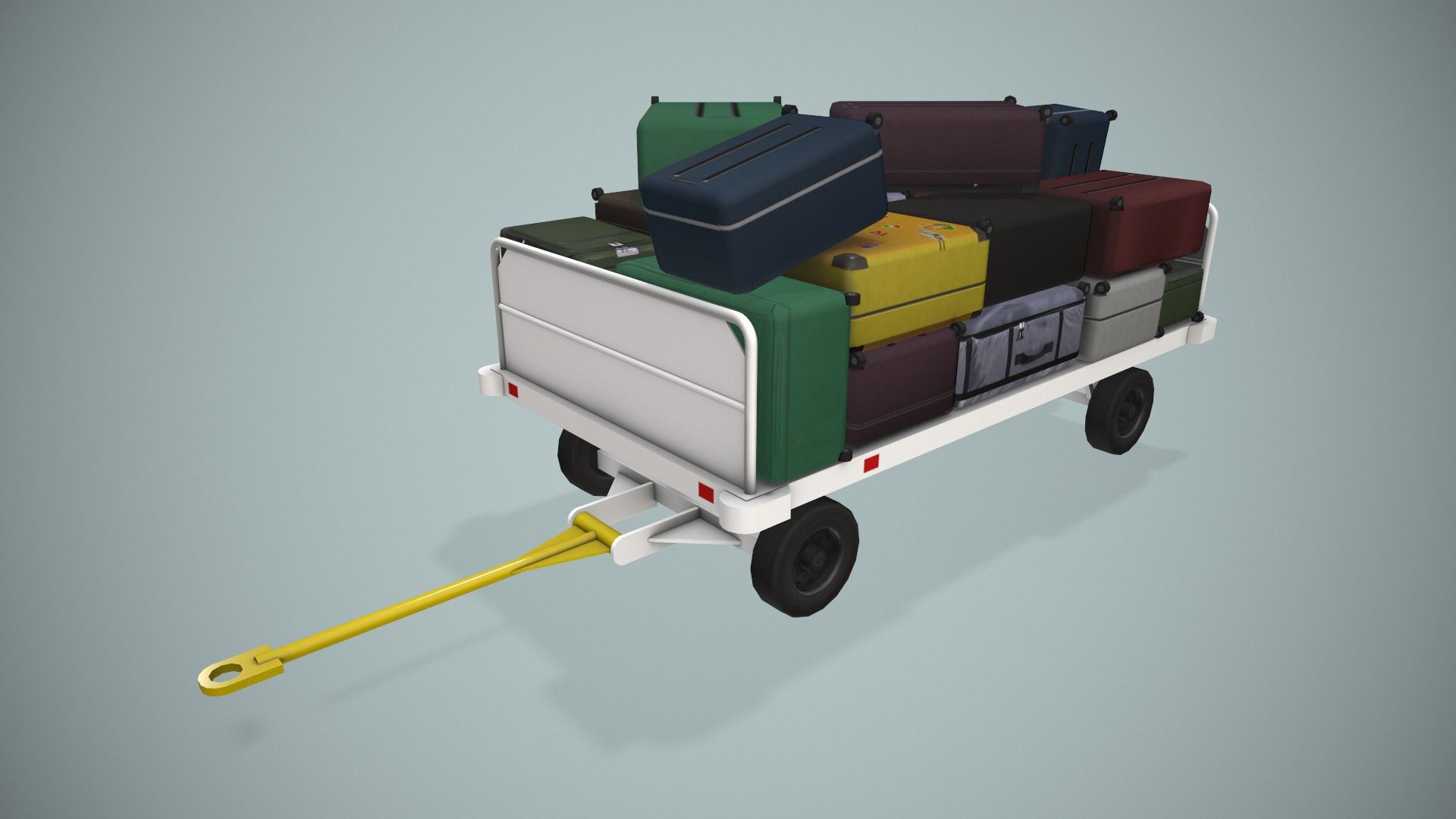
Baggage carts and trailers are engineered for durability, maneuverability, and high-frequency operational use in airport ramp environments. Design focus is placed on chassis strength, suspension systems, coupling mechanisms, braking performance, and load distribution to ensure stable transport of baggage across varying surface conditions. These systems must withstand continuous towing operations while maintaining low maintenance requirements and consistent performance. Engineering also considers ergonomic loading interfaces and standardized coupling systems to ensure compatibility with airport tow operations and ground handling procedures.

ULD Storage and

Transfer Systems

ULD storage and transfer systems require engineered solutions that optimize space utilization, accessibility, and workflow efficiency within cargo handling facilities. Design work includes storage rack structures, roller bed systems, transfer conveyors, staging layouts, and mechanical positioning systems that allow for efficient movement of containers and pallets. Engineering considerations also include structural loading, operational sequencing, and integration with cargo processing workflows. The objective is to minimize handling time while maintaining safe and organized storage conditions that support high-throughput airport operations.

System Integration and

Workflow Optimization

Beyond individual equipment design, effective baggage support engineering requires a systemslevel approach that considers how all components interact within the broader airport environment. This includes evaluating transfer points, congestion areas, equipment utilization rates, and operational sequencing to ensure smooth flow between storage, sorting, and aircraft loading zones. Engineering analysis often involves modelling different operational scenarios to identify inefficiencies and improve overall throughput. The goal is to create coordinated systems that reduce delays, minimize manual intervention, and support consistent performance during peak airport activity.

Operational Reliability and

Lifecycle Engineering

Given the continuous and high-intensity nature of airport ground operations, baggage support equipment must be engineered for long-term reliability and minimal downtime. Design considerations include material selection, wear resistance, maintainability, and ease of component replacement. Lifecycle engineering plays an important role in ensuring that equipment remains operational over extended service periods while maintaining predictable performance. By focusing on durability and maintainability from the early design stages, systems can achieve lower operating costs and improved availability across their entire lifecycle.

Prev
Next
quick contact: